A walk in shower can do more than modernize a bathroom. It can open up the floor plan, make the room easier to clean, and create a calmer, more comfortable daily routine. That is one reason walk-in showers keep showing up across top design articles and remodel portfolios alike.
For a remodeling company like Your Dream Remodeling, this topic is a natural fit. The company serves Houston and nearby communities such as Katy, Sugar Land, Richmond, Missouri City, and Cypress, and its bath-remodel content already highlights walk-in showers with frameless glass, quartz countertops, and large-format tile as popular features.
1.Start with layout before you choose materials
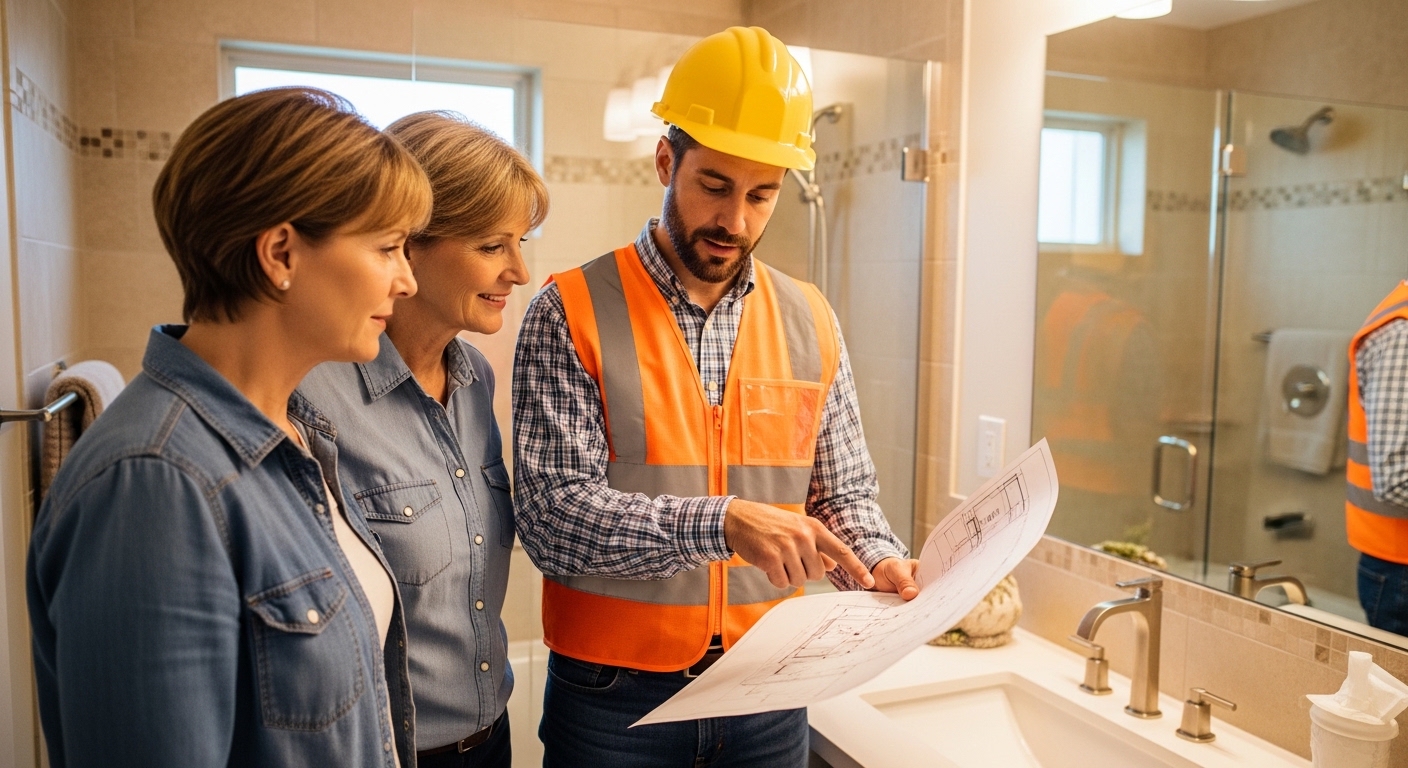
A walk in shower works best when the layout is handled first. Before tile, fixtures, or glass, think about how the space needs to function. Where will the opening go? Will water spray toward the entry? Do you need room for a bench, a niche, or a wider turning area in a primary bathroom?
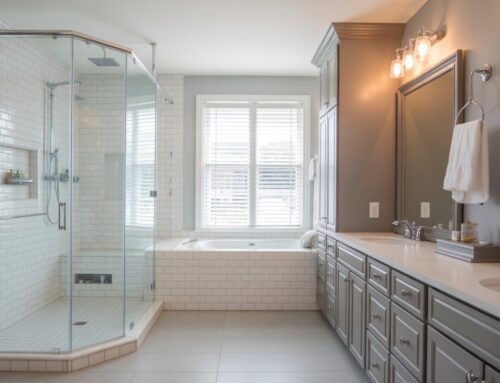
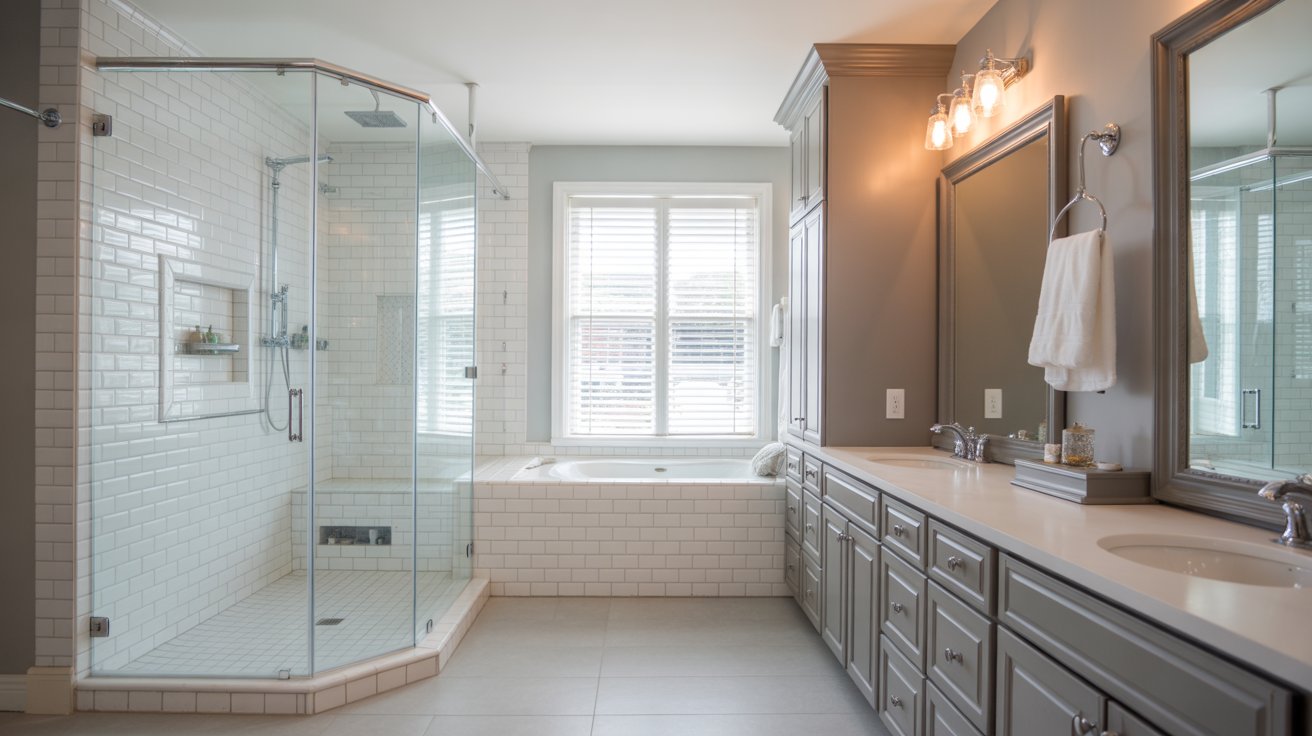
This matters because size and placement shape the whole remodel. Architectural Digest notes that many walk-in showers average about 5 by 2.5 feet, while designers often prefer a little more room if a bench is planned. In a tighter bathroom, a single fixed glass panel may be enough. In a larger ensuite, you may have room for a wider opening or dual showerheads.
2.Go curbless when the room and structure allow
A walk in shower with a curbless entry has a cleaner look because the floor flows more smoothly from the main bathroom into the shower zone. It can also improve ease of use over time. The Spruce notes that true walk-in showers are level with the floor and support universal design, which can help homeowners age in place more comfortably. Your Dream Remodeling also markets age-in-place bathroom remodeling as part of its service offering.
Curbless does not mean careless, though. The slope, drain placement, and waterproofing all need to be right. When those pieces are handled properly, the result feels open and polished instead of makeshift. This is one of the clearest ways to make a bathroom look more custom without relying on busy finishes.
3.Keep tile calm and purposeful
A walk in shower can look expensive without using five different tile styles. In fact, the opposite is often true. The strongest bathrooms usually use fewer materials and let texture, scale, and light do the heavy lifting.
Large-format tile is a strong option because it reduces grout lines and gives walls a cleaner appearance. Better Homes & Gardens highlights walk-in shower ideas across curbless designs, tile-focused layouts, and small-space solutions, while Your Dream Remodeling’s own blog points to large-format tile as a desirable finish in local bath remodels. For the shower floor, smaller mosaic tile still works well because it follows the slope and adds traction.
If you want visual interest, add it in a controlled way. A shower niche in a contrasting finish, a vertical accent strip, or a textured porcelain wall can do more than an overload of patterns. That gives you a bathroom that feels custom but not chaotic.
4.Use frameless glass to keep the room open
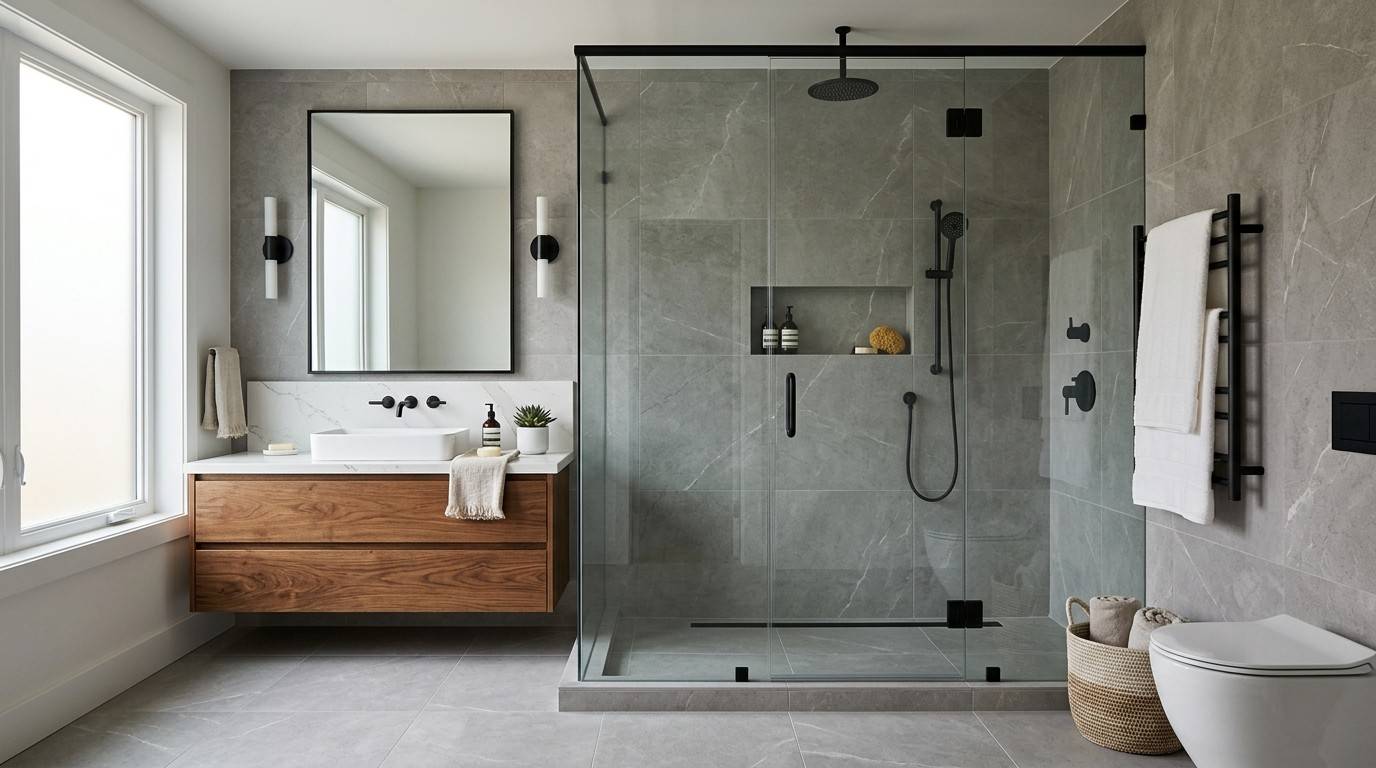
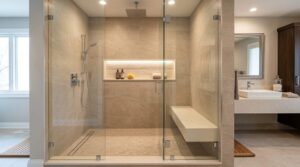
A walk in shower usually looks best when the glass does not interrupt the sightlines. House Beautiful notes that hardware-light or nearly invisible glass barriers can make a bathroom feel larger because they take up less visual space. That same approach shows up on Your Dream Remodeling’s bath content, where frameless glass is repeatedly featured alongside modern shower layouts.
That does not mean every shower needs a full enclosure. Some layouts work better with one fixed panel. Others need a return panel or hinged door for splash control. The right answer depends on the size of the shower, the location of the showerhead, and how much openness the room can support without creating a mess. Good glass choices are practical first and stylish second.
5.Plan storage on day one, not at the end
A walk in shower stops feeling high-end the moment bottles end up on the floor. Built-in storage is one of the simplest ways to make the finished room look more complete and function better in daily use.
A recessed niche is often the first choice because it keeps products organized without eating into the floor area. A bench can add both comfort and extra space for toiletries. House Beautiful specifically calls out seating as a useful addition, even in smaller shower footprints, and Architectural Digest highlights wall niches and custom surrounds as part of a better shower experience.
This is especially important in a small bathroom remodel. When storage is built into the shower wall instead of added later, the whole room feels cleaner and more intentional.
6.Do not overlook the drain, pan, and waterproofing
A walk in shower is only as good as the construction behind the tile. This is the part many inspiration-first articles barely touch, even though it has the biggest impact on long-term performance.
This Old House says basic prefabricated installations generally fall in the $4,000 to $7,000 range, partly because labor and waterproofing are simpler. More custom showers cost more because plumbing, waterproofing, tile work, glass, and layout complexity all add up. The Spruce also notes that custom builds, plumbing changes, waterproofing membranes, and glass upgrades can significantly increase total project cost.
That is why the shower pan, drain style, membrane system, and slope deserve real attention. A sleek linear drain may fit a contemporary design, while a centered drain may make more sense in another layout. The important thing is proper installation, not trend-chasing.
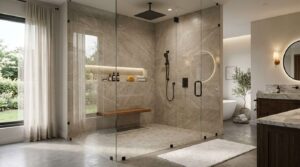
7.Use fixtures that improve daily comfort
A good walk in shower should not just look better. It should work better. That usually means thinking beyond one basic showerhead.
A rainfall head can create a softer, spa-like feel. A handheld sprayer adds flexibility for rinsing walls, helping kids, or supporting accessibility. Controls should be easy to reach without stepping directly into cold water. Architectural Digest also points to custom glass surrounds, niches, and better planning as part of a more comfortable shower experience, not just a prettier one.
The finish matters too. Matte black, brushed nickel, polished chrome, and warm brass all work, but the real goal is consistency. The shower trim, vanity hardware, and lighting should feel like they belong in the same room.
8.Think beyond the shower itself
For Houston homeowners, a walk in shower works best when it is designed as part of the full bathroom. That means tying the shower to the vanity, flooring, countertops, mirrors, and lighting rather than treating it like a separate project.
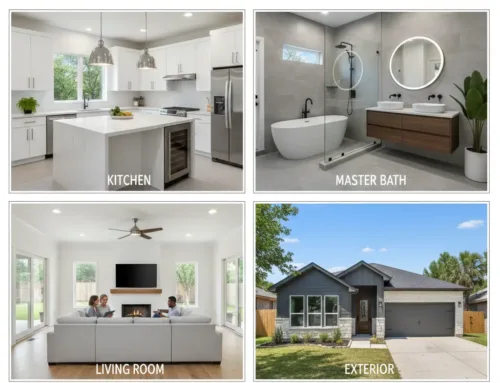
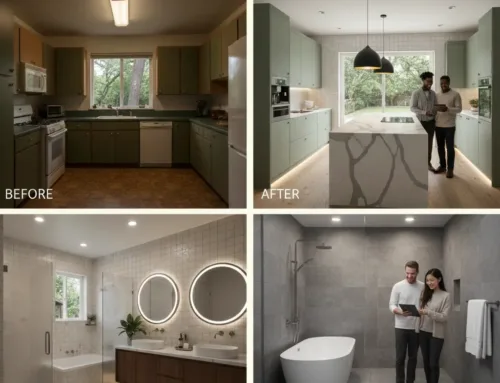
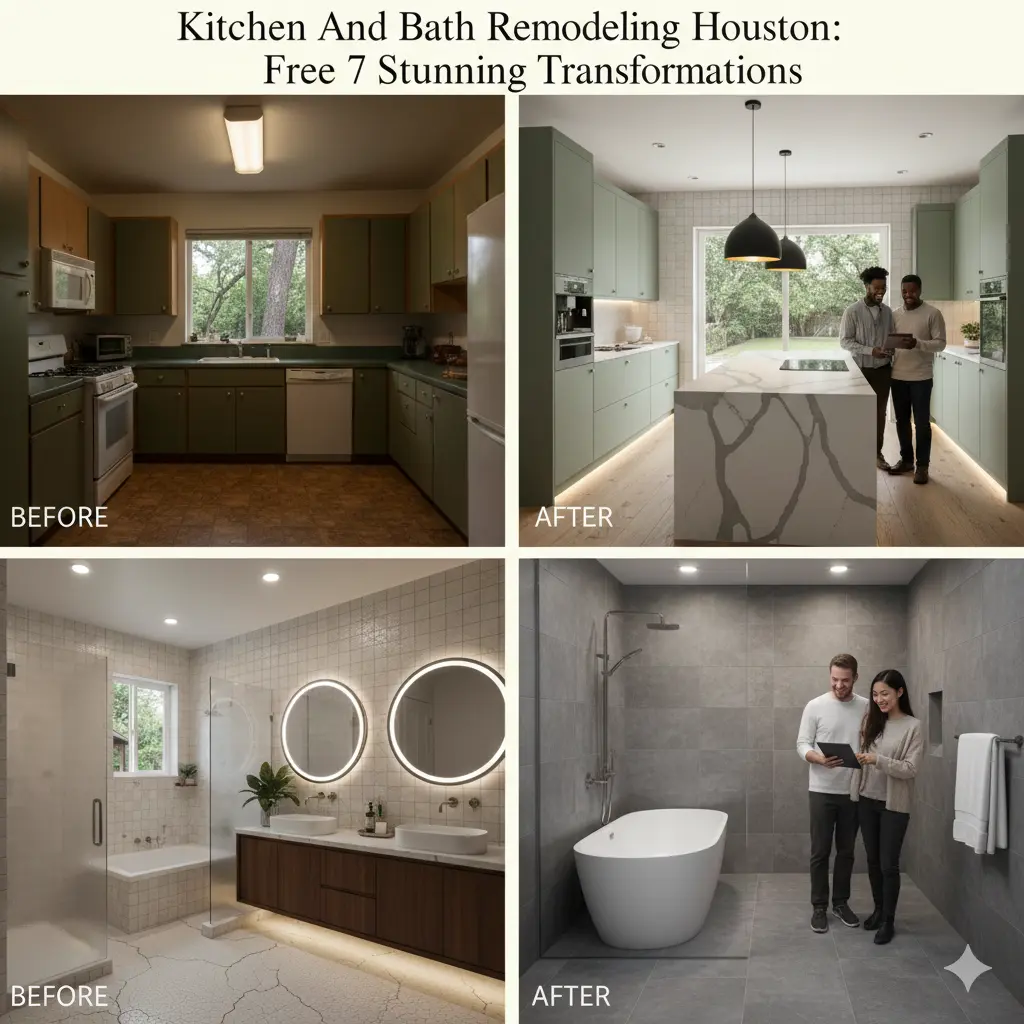
This approach matches Your Dream Remodeling’s own service positioning. Its Houston-area bathroom pages talk about full-room planning, from concept to completion, and repeatedly connect walk-in showers with floating vanities, quartz countertops, and large-format tile. That kind of consistency is what makes a bathroom feel finished rather than pieced together.
In practical terms, that could mean pairing frameless glass with a floating vanity, using porcelain wall tile that complements a quartz top, or making sure the shower niche finish relates to the rest of the room. Those are the details people notice, even if they cannot always explain why the space feels better.
9.Include budget and future use in the plan
A remodel article that ignores cost is only half useful. Homeowners do not just want pretty ideas. They want to know what affects the budget and what will age well.
Top cost coverage shows a wide range depending on whether the shower is prefab or custom, whether plumbing moves are needed, and whether the project includes premium materials or accessibility features. For many homeowners, that means deciding early whether the priority is frameless glass, tile, a bench, a niche, curbless entry, or a full primary-bath transformation.
Planning for future use matters too. A shower that is easier to enter, easier to clean, and better lit often pays off more than one built around a short-term trend.
Conclusion
A walk in shower is one of the strongest upgrades in a bathroom remodel because it improves both form and function. It can make the room feel larger, support aging in place, simplify cleaning, and create a more modern layout. But the best results do not come from copying gallery images. They come from making smart decisions about layout, tile, glass, storage, drainage, and long-term use.
For a site like Your Dream Remodeling, that means focusing on what local homeowners actually need: durable materials, practical layouts, frameless glass, and a bathroom that feels better to use every day.
FAQs
What is a good size for a walk-in shower?
Architectural Digest cites designer input that many walk-in showers average around 5 by 2.5 feet, though larger sizes are often preferred if you want a bench or a roomier feel.
Are curbless showers better for accessibility?
Often, yes. The Spruce notes that true walk-in showers are level with the floor and support universal design, which can help with accessibility and aging in place.
Do I need a full glass door?
Not always. Many bathrooms work well with a fixed glass panel, while others need more enclosure for splash control. The best option depends on layout, spray direction, and room size.
How much does a walk-in shower cost?
This Old House says basic prefabricated installations often range from about $4,000 to $7,000, while custom showers can cost more depending on plumbing, tile, waterproofing, and glass.
What materials are most practical?
Porcelain tile, mosaic flooring in wet areas, frameless glass, and quartz around the rest of the bathroom are all common practical choices because they balance durability, maintenance, and appearance.