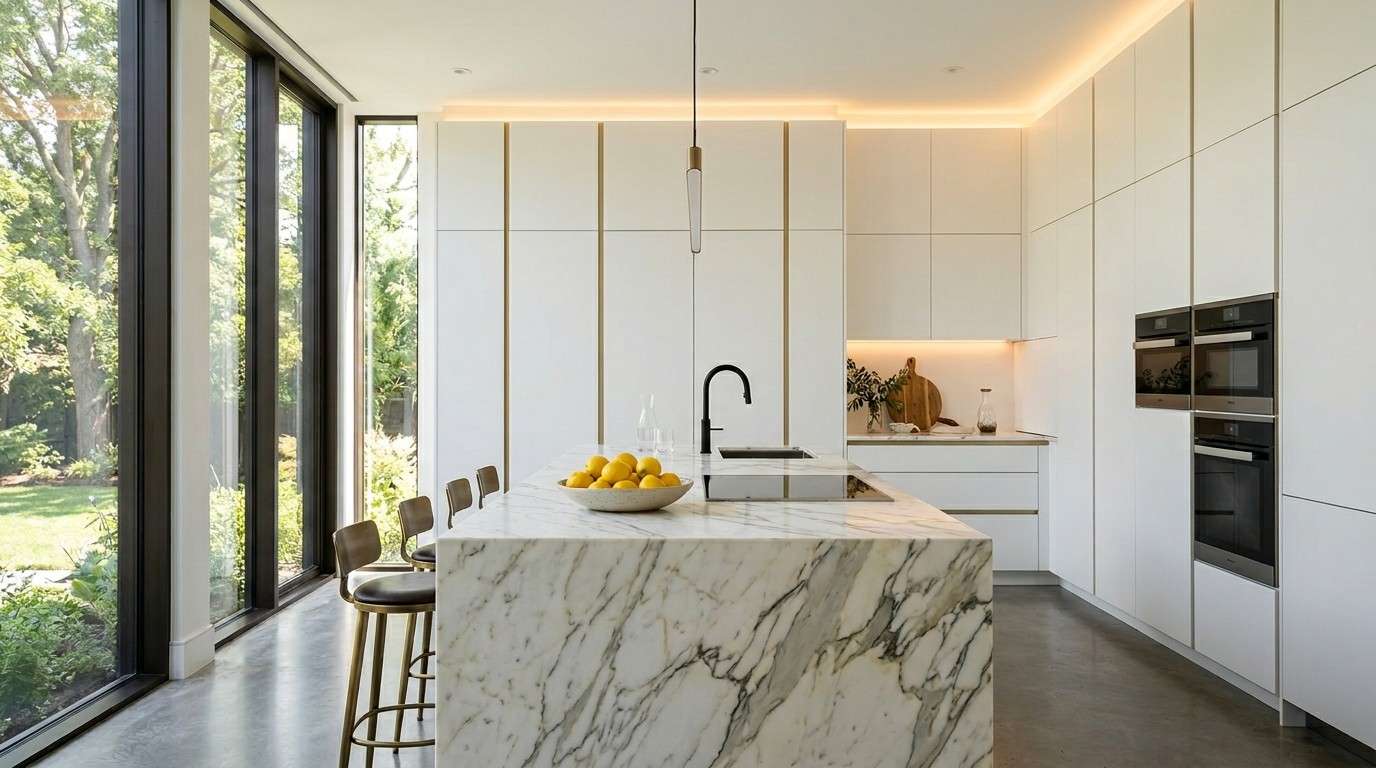
Small kitchens are common in homes across the United States, from city apartments to older suburban houses. Limited square footage does not have to limit design potential. With the right planning, small kitchen remodel designs can deliver both visual impact and everyday functionality.
This guide explores practical design strategies, layout ideas, and remodeling decisions that help homeowners transform compact kitchens into efficient, stylish spaces that feel larger than they are.
Why Small Kitchen Remodel Designs Are in High Demand
Many U.S. homes were built with kitchens that no longer match modern lifestyles. Smaller kitchens often feel cramped, dark, or poorly organized. A well-planned remodel addresses these challenges by improving storage, flow, and comfort without expanding the footprint.
Homeowners typically remodel small kitchens to:
-
Improve functionality and storage
-
Modernize outdated finishes
-
Increase home value
-
Make daily cooking easier and more enjoyable
When done correctly, small kitchen remodel designs deliver one of the highest returns on investment in residential remodeling.
Key Principles Behind Successful Small Kitchen Remodel Designs
Before choosing colors or materials, successful remodels start with design fundamentals that guide every decision.
Efficient Layout Comes First
In a small kitchen, layout matters more than size. Every step, turn, and surface must be intentional. Common layouts that work well in compact kitchens include:
-
Galley kitchens
-
L-shaped kitchens
-
One-wall kitchens
These layouts reduce unnecessary movement and keep essential zones close together. A clear workflow between the sink, cooktop, and refrigerator makes the space feel more usable immediately.
Storage Must Be Intentional
Clutter is the enemy of small kitchens. Smart storage solutions allow homeowners to store more while seeing less. Effective options include:
-
Full-height cabinets that use vertical space
-
Pull-out pantry cabinets
-
Deep drawers instead of lower cabinets
-
Corner storage systems that eliminate wasted space
Good storage design allows countertops to stay clear, which instantly makes the kitchen feel larger.
Visual Simplicity Creates Space
Busy patterns, too many colors, or heavy design elements can overwhelm a small kitchen. Clean lines, simple cabinet styles, and a cohesive color palette help create visual calm and openness.
Best Small Kitchen Remodel Design Ideas for Modern Homes
These ideas are practical, proven, and well-suited to U.S. homes where space efficiency matters.
Light Colors That Open the Room
Light-colored kitchens remain a top choice for small spaces. White, off-white, soft gray, and warm beige reflect light and make walls feel farther apart. Using similar tones on cabinets, walls, and backsplashes creates a seamless look that visually expands the room.
For homeowners who prefer contrast, darker colors work best when limited to lower cabinets or small accent areas.
Cabinet Designs That Maximize Space
Cabinet choice plays a major role in small kitchen remodel designs.
Popular options include:
-
Flat-panel cabinets for a clean, modern look
-
Handle-less or slim hardware to reduce visual clutter
-
Glass-front upper cabinets to add depth
-
Open shelving in select areas to prevent heaviness
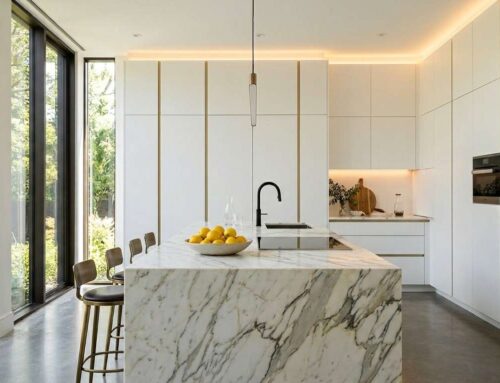
Extending cabinets to the ceiling eliminates unused space and creates a built-in appearance that feels intentional rather than crowded.
Smart Countertop Choices
In small kitchens, countertops should balance durability with visual lightness. Thin-profile countertops often look better than thick slabs. Light-colored surfaces with subtle patterns help reflect light without overwhelming the space.
Integrated sinks and minimal seams also help maintain a clean, uninterrupted look.
Compact and Built-In Appliances
Modern appliance design has made it easier than ever to fit full functionality into smaller kitchens. Compact appliances, counter-depth refrigerators, and built-in microwaves free up valuable space.
Panel-ready appliances that match cabinetry create a seamless appearance, making the kitchen feel more like a unified living space rather than a collection of machines.
Lighting That Changes Everything
Lighting is one of the most overlooked elements in small kitchen remodel designs. The right lighting makes the space feel larger, brighter, and more welcoming.
Effective lighting strategies include:
-
Recessed ceiling lights for even illumination
-
Under-cabinet lighting for task areas
-
Interior cabinet lighting for glass-front cabinets
Layered lighting eliminates shadows and visually expands the room.
Small Kitchen Layout Ideas That Work
Galley Kitchen Designs
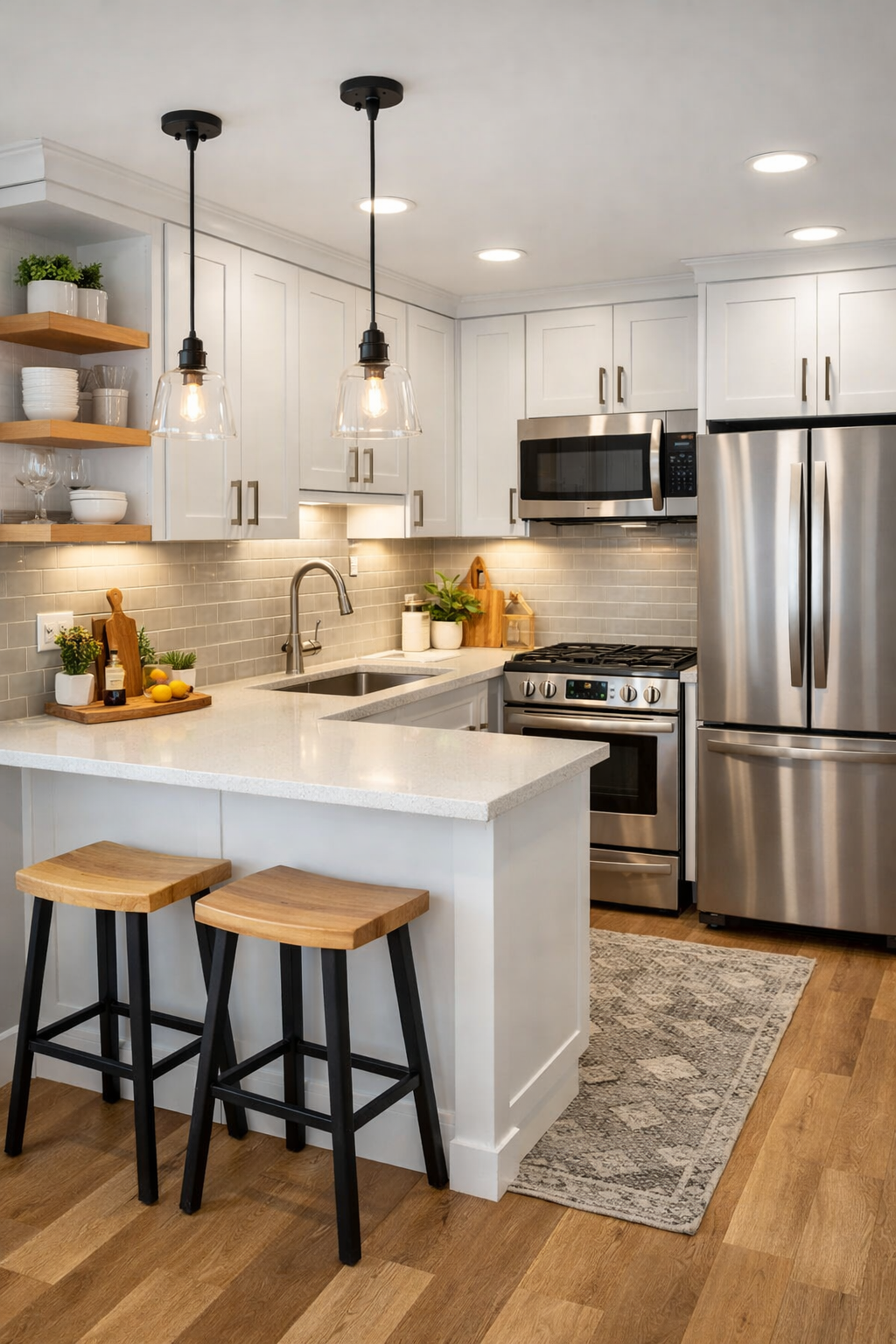
Galley kitchens are ideal for narrow spaces. With cabinets and appliances on parallel walls, this layout maximizes storage and keeps everything within reach. Keeping one side visually lighter, such as with open shelving, prevents the space from feeling boxed in.
L-Shaped Kitchen Designs
L-shaped layouts work well in small kitchens that open into other rooms. This design provides flexibility, efficient corner use, and space for a small dining nook or peninsula if needed.
One-Wall Kitchen Designs
One-wall kitchens are common in condos and apartments. Success with this layout depends on vertical storage, high-quality cabinetry, and careful appliance placement. Tall cabinets and built-in appliances help maintain functionality without sacrificing floor space.
Materials and Finishes That Elevate Small Kitchens
Material choices influence not only appearance but also longevity and ease of maintenance.
Flooring Choices
Light-toned flooring with minimal pattern works best in small kitchens. Continuous flooring that extends into adjacent rooms creates visual flow and reduces visual breaks.
Backsplash Design
Backsplashes offer an opportunity to add character without overwhelming the space. Vertical tile patterns can make ceilings appear taller, while simple designs maintain balance.
Hardware and Fixtures
Slim hardware, simple faucet designs, and integrated pulls keep the focus on clean lines. Oversized or ornate fixtures often feel out of place in small kitchens.
Common Mistakes to Avoid in Small Kitchen Remodel Designs
Even well-intentioned remodels can fall short without careful planning.
Avoid these common issues:
-
Choosing oversized islands that block movement
-
Using too many materials or colors
-
Ignoring ventilation and lighting
-
Prioritizing style over daily functionality
A small kitchen must work hard every day. Design choices should support that reality.
How Much Does a Small Kitchen Remodel Cost?
Costs vary based on location, materials, and scope of work. In the U.S., most small kitchen remodels fall into these ranges:
-
Basic updates: $7,000–$12,000
-
Mid-range remodels: $15,000–$25,000
-
High-end renovations: $30,000+
Investing in layout improvements, cabinetry, and lighting typically delivers the best value for both daily use and resale.
Final Thoughts on Small Kitchen Remodel Designs
Small kitchens require thoughtful design, not compromise. With smart layouts, efficient storage, and cohesive materials, compact kitchens can feel open, modern, and highly functional.
Well-executed small kitchen remodel designs improve how homeowners live in their space every day. When form and function work together, size becomes far less important than design quality.