Whole home remodeling is one of the most impactful ways to transform how a house looks, functions, and feels. Unlike single-room renovations, a whole home remodel addresses multiple areas of the house—often all at once—creating a cohesive, updated living space that aligns with modern lifestyles.
This guide explains what whole home remodeling really involves, how much it costs, how long it takes, and what homeowners should consider before starting. Whether the goal is improved functionality, increased home value, or a complete aesthetic upgrade, understanding the process helps homeowners make informed decisions.
What Is a Whole Home Remodeling Project?
Whole home remodeling refers to the renovation of most or all areas of a house under one comprehensive plan. Rather than updating individual rooms over time, this approach improves the home as a complete system.
A whole home remodel may include:
-
Structural changes
-
Interior layout reconfiguration
-
Major system upgrades (plumbing, electrical, HVAC)
-
Interior and exterior improvements
The focus is on cohesion, efficiency, and long-term value rather than isolated upgrades.
What Qualifies as a Full Home Remodel?
Not every large renovation qualifies as a whole home remodel. A project typically falls into this category when it includes multiple major areas of the home and impacts how the home functions overall.
A full home remodel often includes:
-
Kitchen and bathroom renovations
-
Flooring replacement throughout the house
-
Wall removal or layout changes
-
Electrical and plumbing updates
-
Window and door replacement
-
Interior and exterior finishes
If the project affects most living spaces and requires coordinated planning across trades, it is considered whole home remodeling.
Whole Home Remodeling vs Renovation vs New Build
Understanding the difference between these options helps homeowners choose the right path.
Whole Home Remodeling
Updates an existing home’s structure, systems, and design while keeping the original foundation.
Home Renovation
Focuses on cosmetic or limited updates, such as a kitchen remodel or bathroom upgrade.
New Build
Involves demolishing the existing structure or building on vacant land.
Whole home remodeling offers a balance—modern comfort without the cost or disruption of starting from scratch.

What’s Included in a Whole Home Remodeling Project?
Every whole home remodeling project is unique, but most include a combination of the following:
Interior Improvements
-
Kitchens and bathrooms
-
Flooring throughout the home
-
Custom cabinetry and storage
-
Lighting upgrades
-
Interior painting and finishes
Structural and Functional Updates
-
Wall removal or addition
-
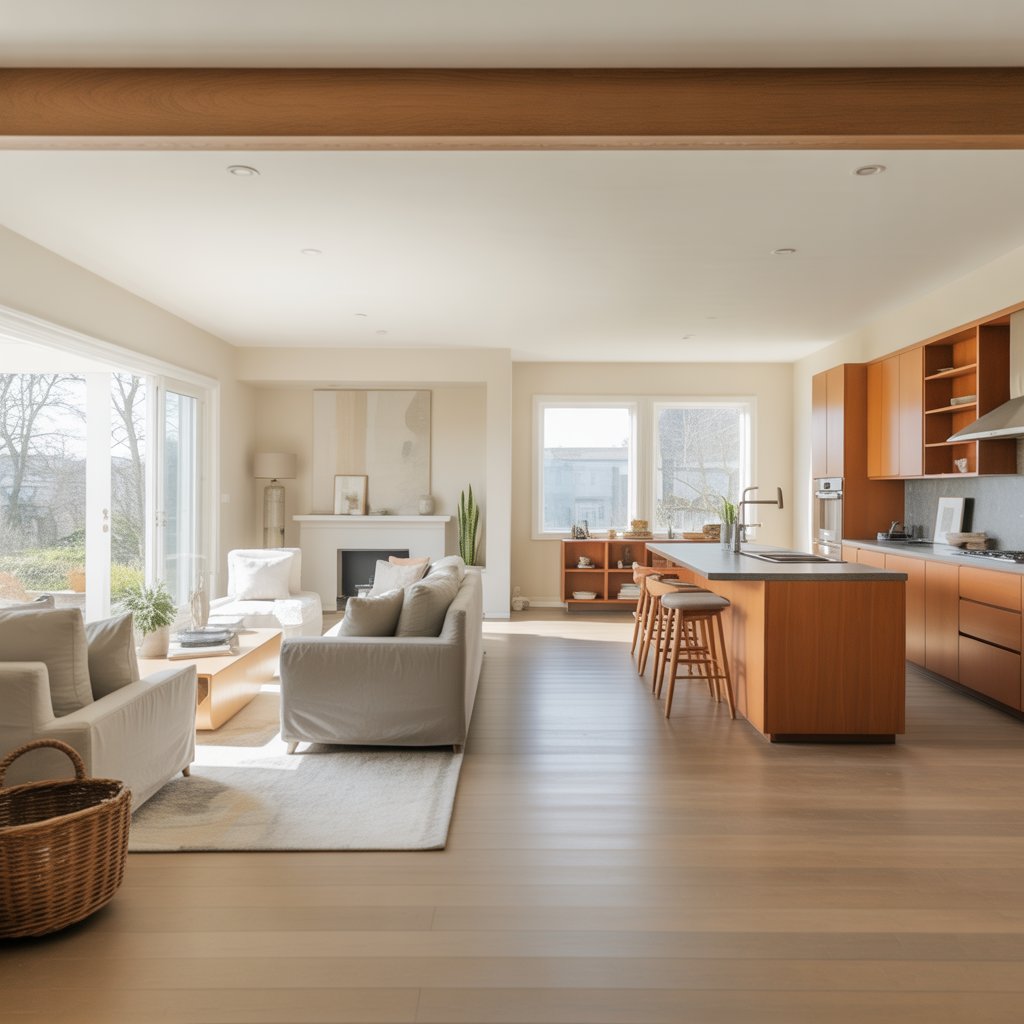
Open-concept layout changes
-
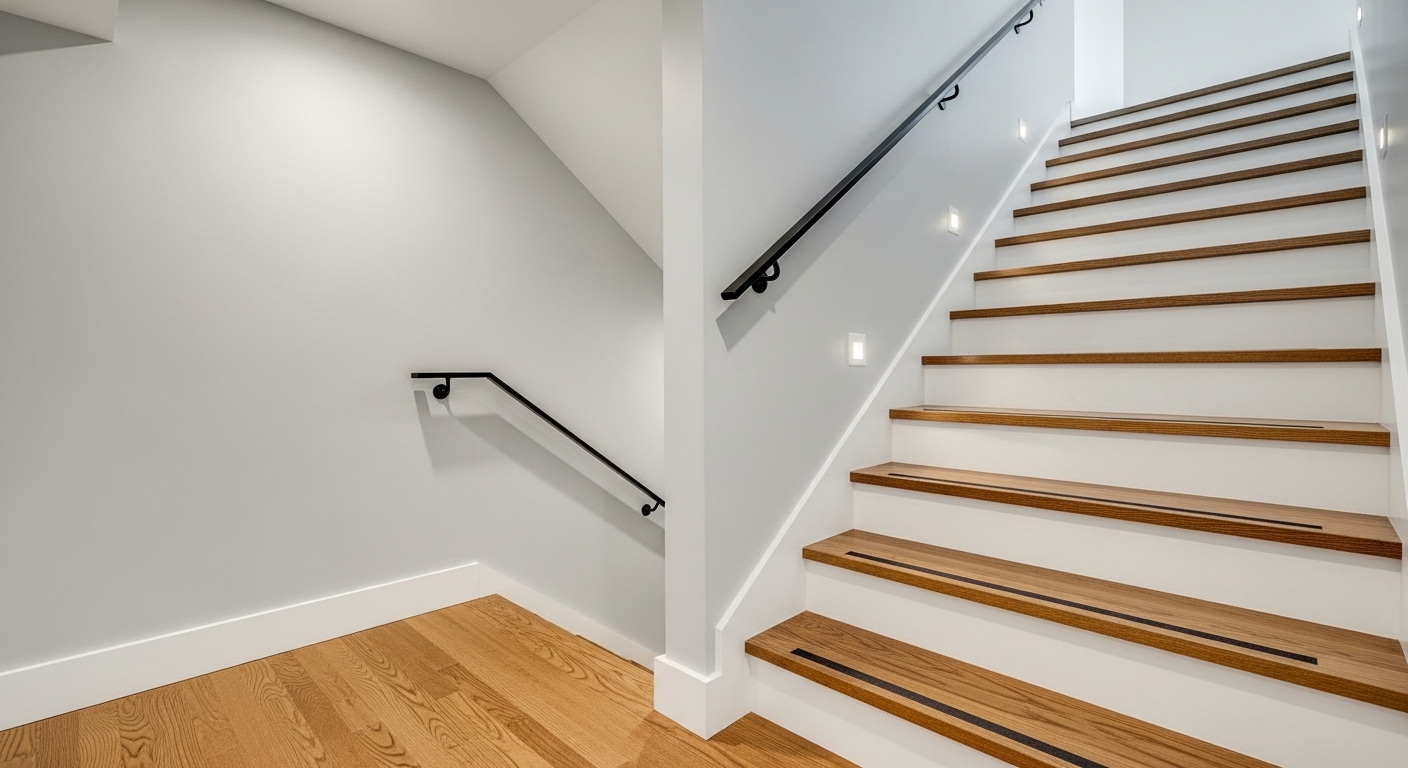
Staircase modifications
-
Improved traffic flow
System Upgrades
-
Electrical rewiring
-
Plumbing replacement
-
HVAC modernization
Exterior Enhancements (Optional)
-
Roofing or siding updates
-
Windows and doors
-
Entryways and outdoor living areas
Key Terms Homeowners Should Know
Understanding common remodeling terms helps homeowners communicate clearly and avoid surprises.
-
Scope of Work: Detailed list of what is included in the remodel
-
Allowances: Budget placeholders for materials not yet selected
-
Change Order: A modification to the original plan or contract
-
Punch List: Final checklist of items to complete before project closeout
-
Load-Bearing Wall: A wall that supports the home’s structure
Knowing these terms makes the whole home remodeling process smoother and more transparent.
How Whole Home Remodeling Estimates Work
Whole home remodeling estimates are based on multiple factors, not just square footage.
Key elements include:
-
Size and age of the home
-
Complexity of structural changes
-
Material selections
-
Labor costs
-
Permit requirements
-
Unforeseen conditions
Professional remodelers typically provide detailed, itemized estimates that outline labor, materials, allowances, and contingencies. Accurate estimates come after design development, not before.
Average Cost of a Whole Home Remodel
The cost of whole home remodeling varies widely depending on scope, location, and finishes.
Typical cost ranges:
-
Light remodel: $100–$200 per square foot
-
Mid-range remodel: $200–$350 per square foot
-
High-end remodel: $350+ per square foot
Homes requiring structural changes, system upgrades, or custom features will fall on the higher end. While the investment is significant, whole home remodeling often delivers strong long-term value.
Step-by-Step Stages of Whole Home Remodeling
A successful whole home remodel follows a clear, organized process.
1. Planning and Design
Designers evaluate the home, discuss goals, create layouts, and finalize materials.
2. Budgeting and Contracting
The scope, timeline, and costs are documented and approved.
3. Permits and Pre-Construction
Permits are secured and the site is prepared.
4. Demolition
Existing materials and structures are removed as needed.
5. Structural and System Work
Framing, electrical, plumbing, and HVAC updates occur.
6. Interior Finishes
Cabinetry, flooring, fixtures, paint, and trim are installed.
7. Final Walkthrough
The project is reviewed and completed.
Timeline: How Long Does Whole Home Remodeling Take?
Most whole home remodeling projects take 4 to 9 months, depending on complexity.
Timeline factors include:
-
Size of the home
-
Permit approval speed
-
Material lead times
-
Extent of structural work
Planning thoroughly before construction begins helps avoid delays and keeps the timeline predictable.
Permits and Code Requirements
Whole home remodeling almost always requires permits. These ensure the work meets safety and building standards.
Common permits include:
-
Structural permits
-
Electrical permits
-
Plumbing permits
-
Mechanical permits
Experienced remodeling contractors manage permits and inspections, protecting homeowners from compliance issues and future resale problems.
Can You Live in the Home During Whole Home Remodeling?
Living in the home during whole home remodeling is sometimes possible but often challenging.
Homeowners should consider:
-
Noise and dust
-
Limited access to kitchens or bathrooms
-
Safety concerns
-
Project duration
Many homeowners choose temporary housing, especially during major structural or system upgrades.
Common Whole Home Remodeling Mistakes to Avoid
Avoiding these mistakes saves time, money, and stress.
-
Underestimating the budget
-
Skipping the design phase
-
Choosing price over experience
-
Making frequent mid-project changes
-
Failing to plan for living arrangements
Clear planning and professional guidance reduce these risks significantly.
How to Choose the Right Whole Home Remodeling Contractor
Choosing the right contractor is one of the most important decisions in whole home remodeling.
Homeowners should look for:
-
Proven experience with whole home projects
-
Proper licensing and insurance
-
Transparent estimates
-
Clear communication
-
Strong client reviews
A qualified contractor acts as a partner, guiding homeowners through design, construction, and completion.
Is Whole Home Remodeling Worth It?
For many homeowners, whole home remodeling is a smart investment. It improves comfort, functionality, and energy efficiency while increasing resale value.
A well-executed whole home remodel:
-
Modernizes outdated spaces
-
Adapts the home to current needs
-
Enhances long-term livability
-
Strengthens property value
When planned carefully and executed professionally, whole home remodeling delivers both personal and financial returns.
Final Thoughts
Whole home remodeling is a complex but rewarding process. By understanding costs, timelines, and expectations upfront, homeowners can approach their project with confidence. Partnering with an experienced remodeling professional ensures the home transformation is efficient, compliant, and built to last.