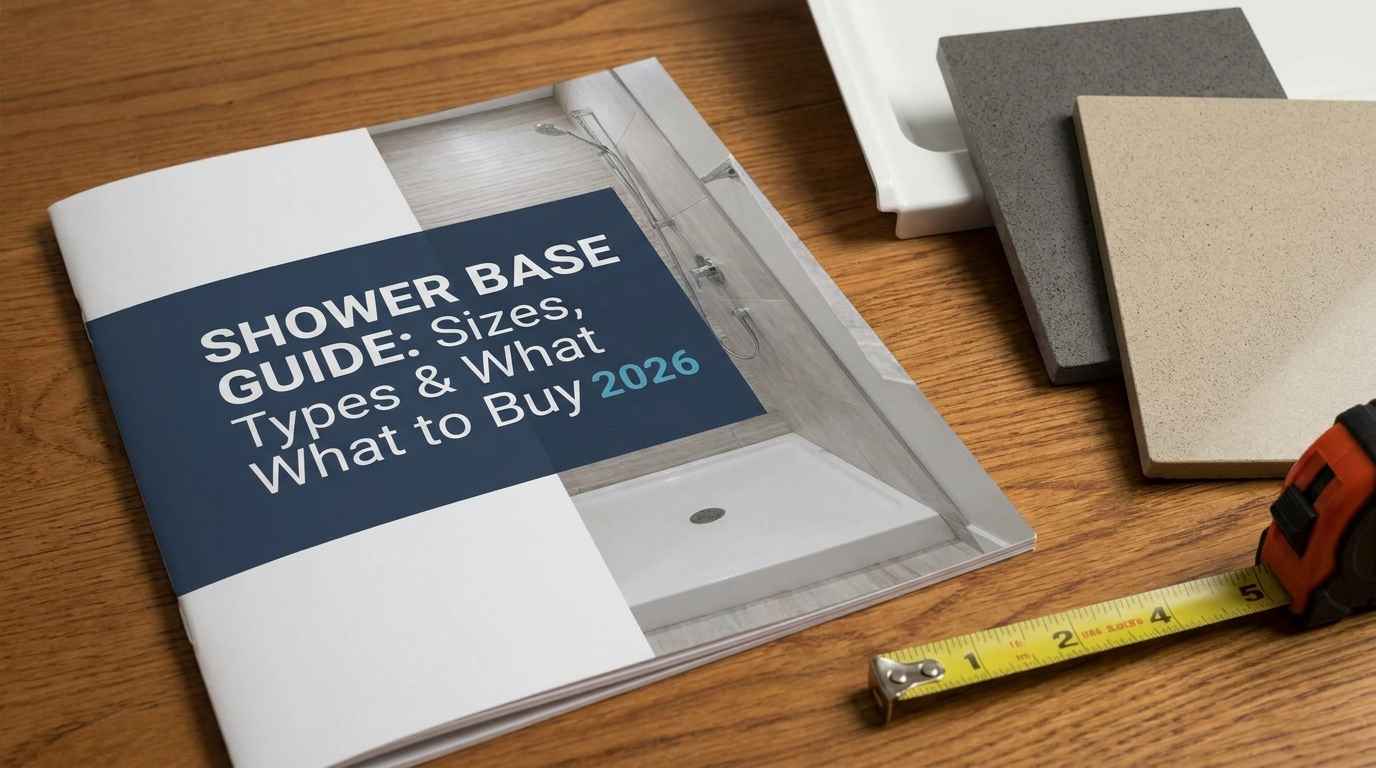
Shower Base Buying Guide: Everything You Need to Know Before You Purchase

You are redoing your bathroom and the shower base decision is holding up the entire project. Get it wrong and you are looking at leaks, cracked tile, or a base that does not fit the space. Get it right and you have a foundation that lasts 20 years without a second thought. The problem is that most guides either list products without context or go so deep into materials that you lose track of what actually matters for your specific bathroom. This guide cuts through that. It covers every type of shower base available in 2026, what size you actually need, which materials hold up, and which complete shower kits make the most sense depending on your situation.
What Is a Shower Base and Why Your Choice Matters More Than You Think
A shower base is the floor component of a shower enclosure that collects water and directs it toward the drain. It sits directly on the subfloor and forms the watertight foundation of the entire shower system.
Most homeowners underestimate this decision. They focus on tile, fixtures, and glass doors while treating the base as an afterthought. That is the wrong approach. The base determines your drain placement, your tile or liner options, your ADA compliance if that applies, and in many cases your total installation cost. A poor base choice can add hundreds to thousands of dollars in corrective work within a few years.
In expert analysis of bathroom remodel failures, water intrusion beneath the shower floor is one of the most cited and expensive problems. It almost always traces back to the base: wrong material for the subfloor type, incorrect sizing, or a compromised seal around the drain.
The base is not the glamorous part of a bathroom remodel. But it is the part everything else depends on.
Shower Base Types: Which One Actually Fits Your Project
There are four main types of shower bases and each one suits a different set of circumstances. Choosing the wrong type does not just create aesthetic problems. It creates structural ones.
Prefabricated Acrylic and Fiberglass Bases
Prefabricated shower bases are one-piece or multi-piece units made from acrylic or fiberglass. They are the most common choice for standard bathroom remodels in the United States and for good reason. They install faster than tile, require no curing time, and are available in standard sizes that fit most existing shower footprints.
Acrylic bases are more durable than fiberglass and resist cracking better under heavy daily use. Fiberglass is lighter and costs less upfront but shows wear faster and is more prone to surface scratching over time. For a primary bathroom in a family home, acrylic is the better long-term investment.
The trade-off with prefabricated bases is inflexibility. Standard sizes run from 32 by 32 inches to 60 by 36 inches. If your shower space is non-standard, you are either cutting tile or ordering a custom unit at significantly higher cost.
Shower Bases for Tile Installation
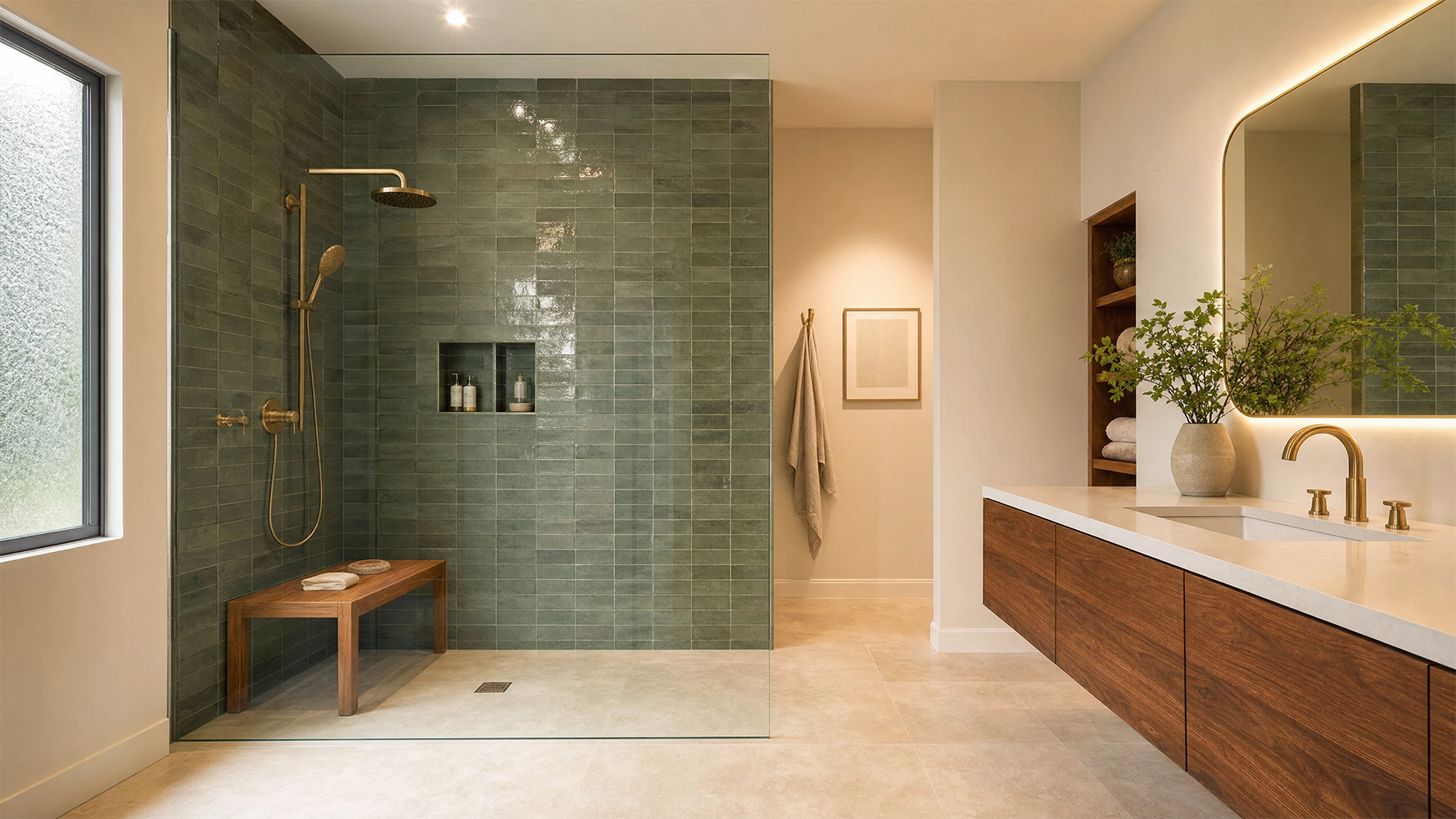
A shower base for tile is a sloped mortar bed, foam base, or pre-sloped liner system designed to be tiled over. These are the right choice when the design calls for a custom tile floor that matches the rest of the bathroom.
Foam shower bases such as those made by Schluter Systems with their Kerdi-Line product or by Wedi have become significantly more popular since 2022 because they are lighter than mortar beds, easier to waterproof, and faster to install. They come pre-sloped toward a central drain, which eliminates the float work that traditional mortar beds require.
The honest trade-off is that tiled shower floors require more maintenance than solid bases. Grout lines need sealing annually in high-use showers. In wet climates or homes with hard water, grout discoloration and mildew accumulation are ongoing realities that solid base owners do not deal with.
Walk-In Shower Bases
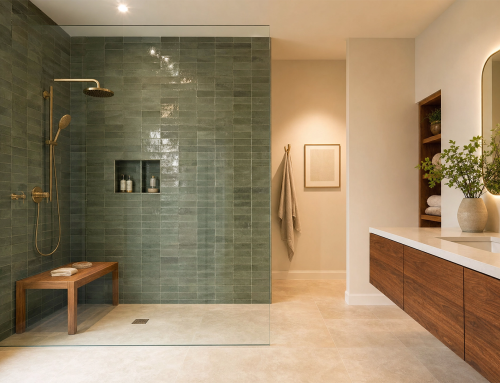
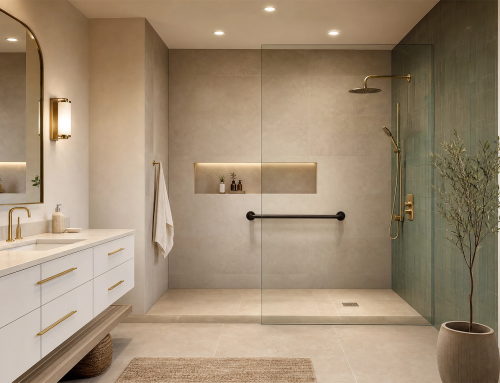
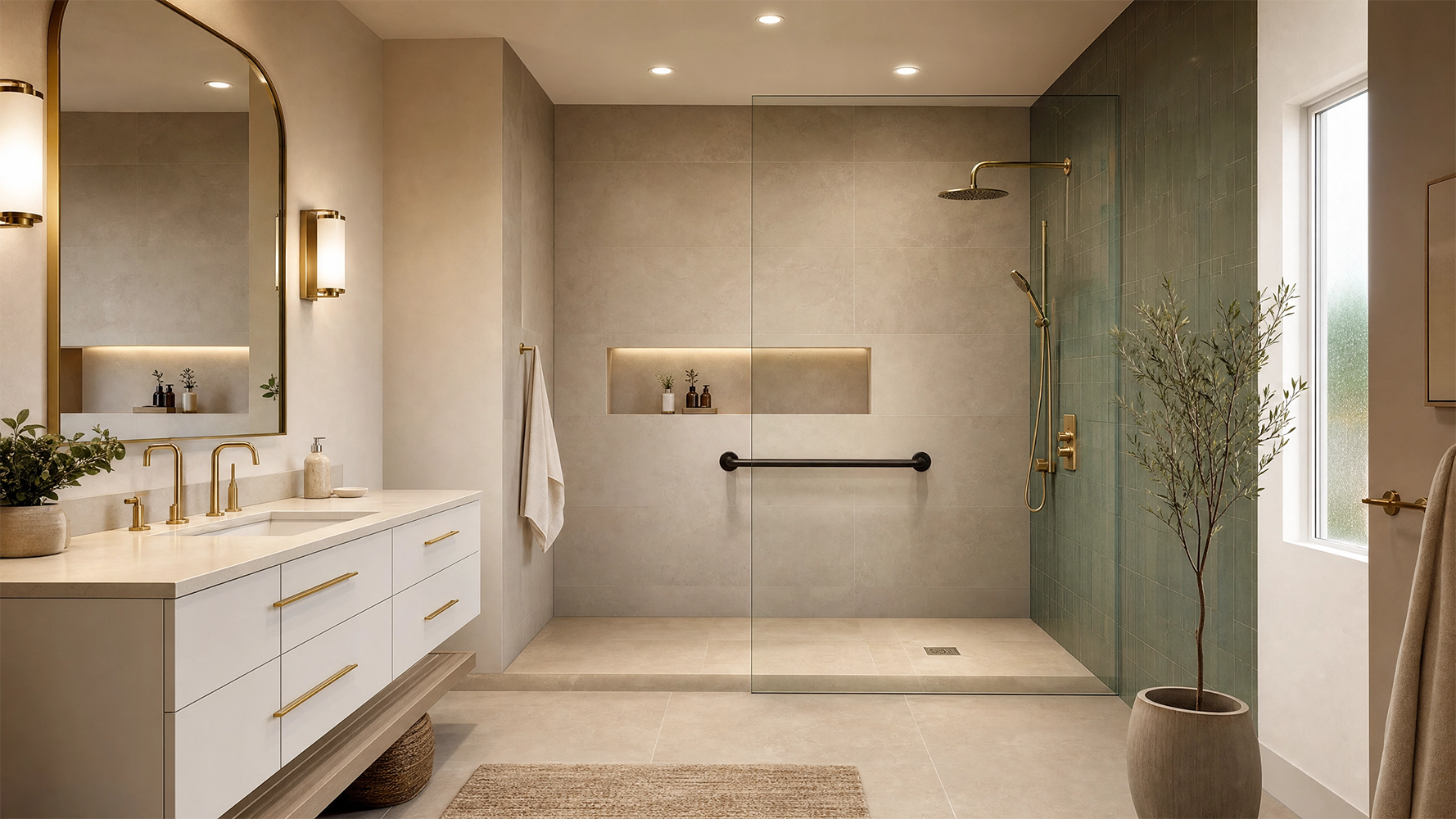
A walk-in shower base is designed with a very low threshold or no threshold at all to allow barrier-free entry. These are essential for ADA-compliant bathrooms and aging-in-place remodels and are increasingly popular in primary bath redesigns regardless of accessibility needs.
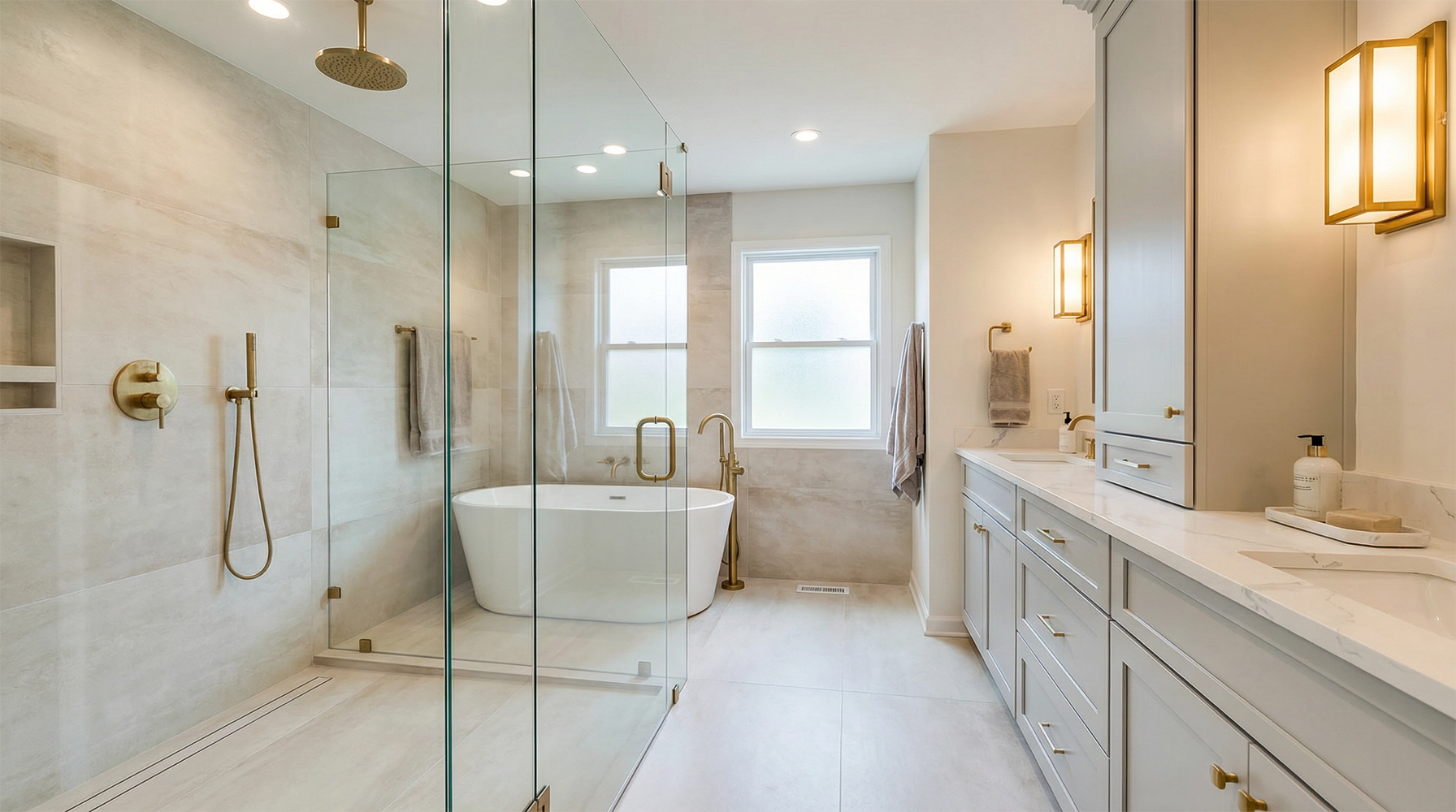
Linear drain bases are the most common walk-in option. Water flows across a gently sloped floor toward a single channel drain along one wall rather than toward a central point. This allows large format tile to lay flat across most of the floor, which is a major design advantage.
DreamLine is one of the leading brands in this category in the US market. Their SlimLine series of walk-in shower bases offers low-profile designs in acrylic with a textured surface for slip resistance. Pricing on DreamLine walk-in bases typically ranges from around 150 dollars to 500 dollars depending on size and configuration. Verify current pricing directly on the DreamLine website as prices shift with material costs.
Complete Shower Kits with Base, Walls, and Door
Shower kits complete with base, walls, and door are all-in-one systems that include every component needed to build a finished shower enclosure. They are the fastest installation option and the most cost-effective for straightforward bathroom replacements where the existing space is already standard-sized.
For homeowners doing a full bathroom remodel on a defined budget, a complete shower kit eliminates the coordination problem of matching separate components from different manufacturers. Everything fits. Everything seals. Everything arrives together.
The limitation is design. Most complete kits come in a small range of finishes and configurations. If the bathroom design requires a specific aesthetic, individual component selection gives more flexibility.
Shower Base Sizes: What Fits Your Space and What Does Not
Getting the size right before you order is non-negotiable. Shower base sizes in the US market follow standard increments but that does not mean every size is readily available or priced the same.
Standard shower base dimensions run as follows. A 32 by 32 inch base is the minimum comfortable single-person shower size. A 36 by 36 inch base is the most common square option for standard bathrooms. A 60 by 30 inch or 60 by 32 inch base fits the standard alcove shower space found in most American homes built before 2000. A 60 by 36 inch base is the preferred size for primary bathrooms where additional floor space is available.
Anything outside these standard dimensions moves into semi-custom or custom territory. Custom bases from manufacturers like Swanstone or Kohler can be ordered in non-standard sizes but lead times extend to four to six weeks and prices increase significantly. Budget at least 300 to 800 dollars for a basic custom acrylic base and considerably more for stone resin or solid surface options.
One measurement mistake that shows up repeatedly in remodel projects is measuring the floor space without accounting for wall thickness. If you are replacing an existing unit, measure the old base itself, not just the floor opening.
Shower Base with Seat: Who Actually Needs One and What to Know
A shower base with seat is a unit that includes an integrated bench or fold-down seat molded directly into the base structure. These are not just for accessibility. Built-in seating has become a standard feature in luxury primary bath remodels regardless of the homeowner’s age or mobility.
Integrated seat bases are typically available in 36 by 48 inch or larger sizes to accommodate the additional footprint the seat requires. The seat itself is usually positioned at one end of the base and is rated for a specific weight capacity. Check this specification carefully before purchasing. Most standard integrated seats support 250 to 300 pounds but some budget units are lower.
For homeowners with genuine mobility needs, a dedicated ADA-compliant shower base with a properly reinforced seat and a zero-threshold entry is a more appropriate choice than a standard base with an aftermarket bench added. The difference matters structurally and for resale purposes if the home is ever marketed as accessible.
Your Dream Remodeling Shower Base: Is It Worth the Attention It Gets
Your Dream Remodeling shower bases are consistently among the best-reviewed options in the mid-range US market. The brand produces acrylic bases, complete shower enclosure systems, and walk-in shower configurations across a wide range of standard sizes that fit most American bathroom footprints.
What sets Your Dream Remodeling apart from similarly priced competitors is the attention to surface texture. The anti-slip finish on their shower floor bases is more aggressive than most options at the same price point. In a wet environment where slip resistance directly affects safety, that difference is not cosmetic. It is practical.
The fiberglass-reinforced acrylic construction holds up well under normal residential use. Daily wear, cleaning products, and temperature changes do not degrade the surface the way they do on lower-grade fiberglass-only units.
Where Your Dream Remodeling is the right call is clear. Solid construction, standard sizing, reliable finish, and honest mid-range pricing make them a strong choice for straightforward bathroom remodels. Where they step aside is equally clear. If your project calls for a stone resin base, a fully custom tile installation, or a high-end bespoke enclosure, that is a different conversation requiring custom fabrication that goes beyond a prefabricated catalog.
For most homeowners replacing a standard shower on a defined budget, Your Dream Remodeling delivers exactly what the project needs without unnecessary complexity or cost.
What to Check Before You Buy Any Shower Base
Before placing an order, run through this checklist. These are the points that most buyers skip and most regret skipping.
- Measure your drain location precisely. The drain on your new base must align with your existing drain rough-in or you are adding plumbing work to your project.
- Confirm your subfloor type. Acrylic and fiberglass bases need a solid, deflection-free subfloor. If your subfloor flexes underfoot, address it before installation.
- Check the threshold height against your door or entry point. Low-threshold walk-in bases require a different door configuration than standard bases with a raised curb.
- Verify the weight rating if a seat is involved.
- Confirm the drain size. Most US bases use a 2-inch drain but some premium units use a 3-inch drain that requires a specific trap.
- Check lead time before committing to a project timeline. Standard bases ship in days. Custom sizes and some complete kits can take 3 to 6 weeks.
- Read the warranty terms. Most acrylic bases carry a limited lifetime warranty for the original purchaser but that warranty typically does not transfer to a subsequent homeowner.
If you are working with a contractor, share this checklist with them before demo begins. Catching a drain misalignment before the old shower is removed saves a significant amount of money and time.
Total Cost of a Shower Base Installation in 2026
The price of the base itself is only part of what this project costs. Understanding the full picture prevents budget surprises.
A standard prefabricated acrylic base in a 60 by 32 inch size costs approximately 100 to 300 dollars from brands like Kohler, American Standard, or DreamLine. A complete shower kit with base, walls, and door in a standard alcove size runs from approximately 400 to 1,200 dollars depending on material and brand quality.
Installation labor in the US market ranges from 300 to 800 dollars for a straightforward prefabricated base swap in an existing shower space, according to HomeAdvisor 2025 national cost data. That number rises to 1,500 to 3,500 dollars or more for a tile-over base with waterproofing, new drain work, and tile installation.
Hidden costs to budget for: drain relocation if needed, subfloor repair if moisture damage exists, transition strips or threshold material at the shower entry, and caulking replacement around the perimeter every 3 to 5 years as part of ongoing maintenance.
The total installed cost of a mid-range shower replacement including a quality acrylic base, new walls, a frameless door, and professional installation typically lands between 2,000 and 5,000 dollars in most US markets. Custom tile showers with a mortar or foam base start around 4,000 dollars and move upward quickly based on tile selection and labor market.
CONCLUSION
Choosing the right shower base comes down to three things: your space dimensions, your design goals, and your honest installation budget. Prefabricated acrylic bases from brands like DreamLine, Kohler, or American Standard cover most standard remodel situations efficiently and reliably. Foam bases designed for tile work best when design flexibility matters more than installation speed. Walk-in bases with linear drains are the right call for aging-in-place projects and open contemporary designs. Complete shower kits with base, walls, and door solve the coordination problem for budget-conscious full replacements.
Do not let the base decision sit until the last minute in your project timeline. It affects your drain placement, your door selection, and your total cost. Measure twice, confirm the drain rough-in location, and order with enough lead time to avoid holding up your contractor. The shower base is not exciting. But getting it right is what makes everything above it look and perform the way it should.
FAQ SECTION
Q1: What is the most common shower base size in the US? The most common shower base size in the United States is 60 by 32 inches or 60 by 36 inches. These dimensions fit the standard alcove shower space found in most American homes. If you are replacing an existing unit in a standard three-wall alcove, one of these sizes will almost certainly fit. Always measure the existing base rather than the floor opening to confirm.
Q2: What is the difference between an acrylic and a fiberglass shower base? Acrylic shower bases are made from a sheet of acrylic material vacuum-formed over a fiberglass backing. Fiberglass bases are made entirely from layered fiberglass. Acrylic is harder, more scratch-resistant, and retains its surface finish longer. Fiberglass is lighter and less expensive but shows wear faster. For a primary bathroom used daily, acrylic is the better investment. Fiberglass works well for guest bathrooms with lighter use.
Q3: Can I tile over a prefabricated shower base? No. Prefabricated acrylic and fiberglass bases are not designed to be tiled over. If you want a tiled shower floor, you need either a traditional mortar bed, a foam pre-sloped base like those made by Schluter or Wedi, or a custom tile liner system. Tiling over a flex acrylic base will cause the grout and tile to crack because the base material moves slightly under load.
Q4: How much does it cost to install a shower base? Labor for installing a prefabricated shower base in an existing shower space typically costs between 300 and 800 dollars according to HomeAdvisor 2025 data. That does not include the cost of the base itself, which ranges from about 100 to 600 dollars for standard prefabricated options. A full tile shower installation with a new base runs 1,500 to 3,500 dollars or more for labor alone. Always get three quotes from licensed contractors in your area.
Q5: What is a walk-in shower base? A walk-in shower base is a low-threshold or zero-threshold shower floor designed for barrier-free entry. It eliminates the raised curb found on traditional shower pans, making entry easier for people with mobility challenges and creating a more open, modern look. Walk-in bases typically use a linear drain along one wall or a center drain with a four-way slope. DreamLine and Kohler both produce strong options in this category.
Q6: Are complete shower kits worth buying? Complete shower kits that include a base, walls, and door are worth buying when you are replacing a standard-sized shower on a defined budget and do not have strong design preferences about materials or finishes. They are faster to install than custom builds, cost less in total, and eliminate the problem of mismatched components. They are not the right choice if you want a custom tile design or a non-standard size.