The Walk In Shower Owner’s Guide: Everything You Need Before You Spend a Dollar
You’re standing in your bathroom staring at a tub you haven’t used in two years, and you’re thinking about finally converting it into a walk in shower. Maybe you’ve started a bathroom remodel. Maybe someone in your household needs safer, easier access. Either way, you want real answers – not a vague range and a “call a contractor” sign-off.
This guide covers what type of walk in shower fits your bathroom, what you’ll actually spend in 2026, how the tub-to-shower conversion process works, which details most homeowners miss until the invoice arrives, and the questions you must ask before signing anything.
What Is a Walk In Shower and Why Are Homeowners Choosing It?
A walk in shower is a shower enclosure with a low or zero-threshold entry, meaning you step in at floor level rather than stepping over a high tub wall or curb. Some have glass panels or doors. Others are fully open, often called doorless or curbless designs.
The shift toward walk in showers has accelerated in recent years. Curbless shower designs are now one of the dominant bathroom trends in new construction and remodeling projects as of 2025 and into 2026, driven by aging-in-place needs, accessibility concerns, and a preference for open, spa-like bathroom spaces. According to the National Kitchen and Bath Association (NKBA) 2024 Design Report, shower enclosures now appear in more primary bathrooms than freestanding tubs in new U.S. residential builds.
The appeal is practical, not just aesthetic. No curb means no trip hazard. A wider entry supports grab bars, seating, and safe maneuvering. And for most adults who shower daily, a dedicated shower space simply works better than a tub combo.
Walk In Shower Types – Which One Fits Your Bathroom?
Not every walk in shower type works for every bathroom. Before you pick materials or think about tile, you need to settle on which configuration fits your layout and how you actually use the space.
Prefabricated Walk In Shower Kits
Prefabricated or prefab shower kits come as pre-formed units, typically made from acrylic or fiberglass, with the shower pan and wall panels sold together. They install in an existing alcove using standard dimensions and require minimal structural work if plumbing stays in place.
Walk in shower kits typically cost between $700 and $3,000 for materials alone. Professional installation brings the total to around $4,000 to $7,000. Timeline: two to three days for most jobs.
Best for: Homeowners on a tight budget, bathrooms where the existing footprint fits a standard size, and situations where the priority is function over aesthetics.
Not ideal for: Unusual bathroom layouts, anyone wanting custom tile, or bathrooms with plumbing that needs to move.
Custom Tiled Walk In Shower
A custom shower is built from scratch using tile, a mortar or prefab shower pan, a waterproofing system, and your choice of fixtures. You control every dimension, material, and feature. This is where walk in shower tile ideas and design choices come into play.
Custom walk in showers cost between $4,200 and $8,500 on average, with high-end builds running $12,000 to $20,000 or more depending on materials, complexity, and location, according to Angi’s 2026 cost data.
Best for: Larger bathrooms, homeowners who want design control, and anyone who plans to stay in the home long-term and wants lasting quality.
Not ideal for: Tight timelines, limited budgets, or small bathrooms where custom dimensions add cost without adding much usable space.
Curbless (Zero-Threshold) Walk In Shower
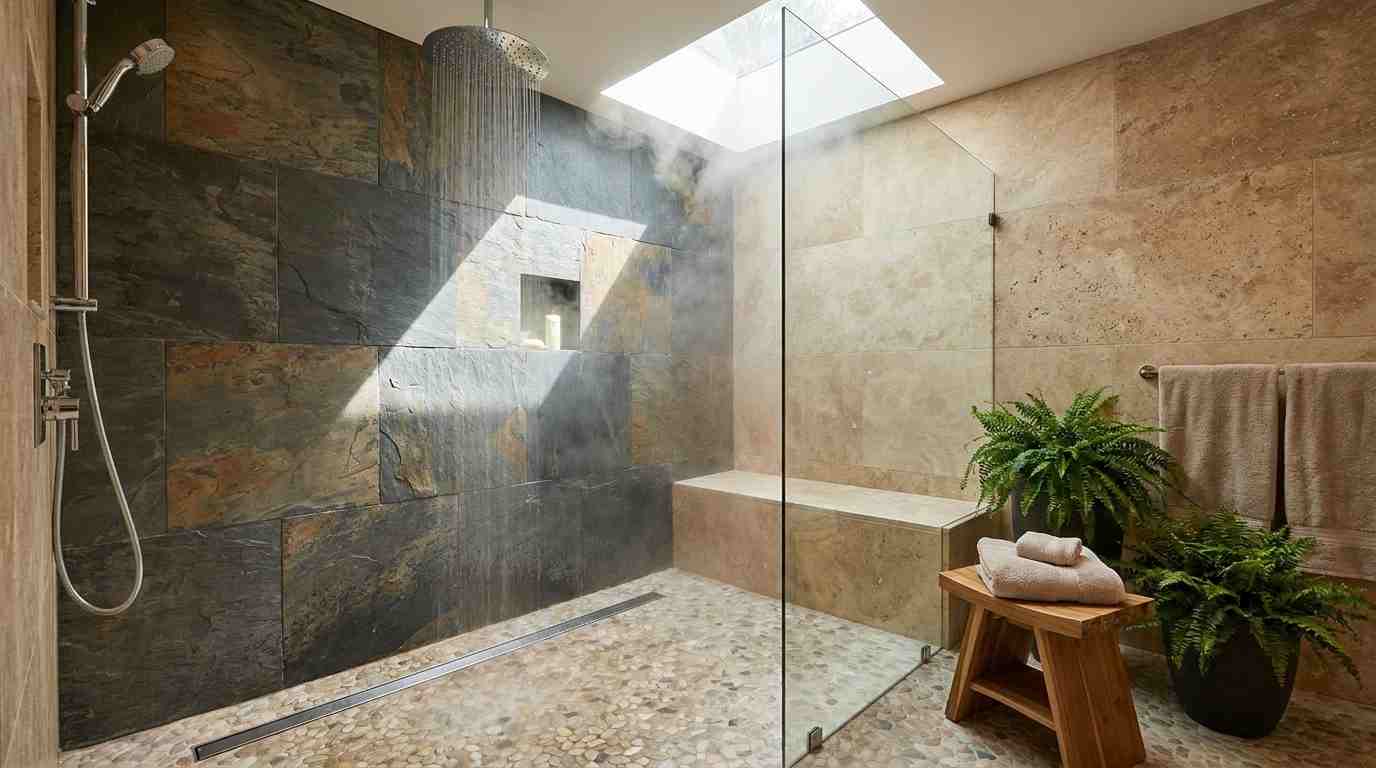
A curbless walk in shower has no lip or curb at the entry point. The floor transitions seamlessly from bathroom tile to shower floor. This is the most accessible option and the most visually open design available.
Curbless designs require more structural work than standard walk in showers. The subfloor needs to be modified to create the right slope for drainage, and a linear drain is typically used instead of a center drain. According to the 2010 ADA Standards for Accessible Design, which remain current federal law as of 2026, a zero-threshold shower requires a maximum floor slope of one-half inch per ADA Standard 608.7.
Curbless custom shower pans cost around $2,500 alone. Total installed costs generally run $6,000 to $10,000 and up.
Best for: Aging-in-place planning, households with mobility concerns, and any design that prioritizes a seamless bathroom floor.
Walk In Shower with Bench or Seat
Adding a built-in bench or fold-down seat to a walk in shower adds both comfort and safety. A built-in tiled shower bench typically adds $200 to $500 to a custom build. Fold-down wall-mounted seats run $150 to $400 for the fixture, plus installation.
If the bench is structural (built from foam board and tiled), it adds about one to two days to the project timeline. For anyone planning an aging-in-place bathroom, combining a walk in shower with seat with grab bar placement is a smarter long-term investment than most other upgrades in the space.
Walk In Shower Tub Combo
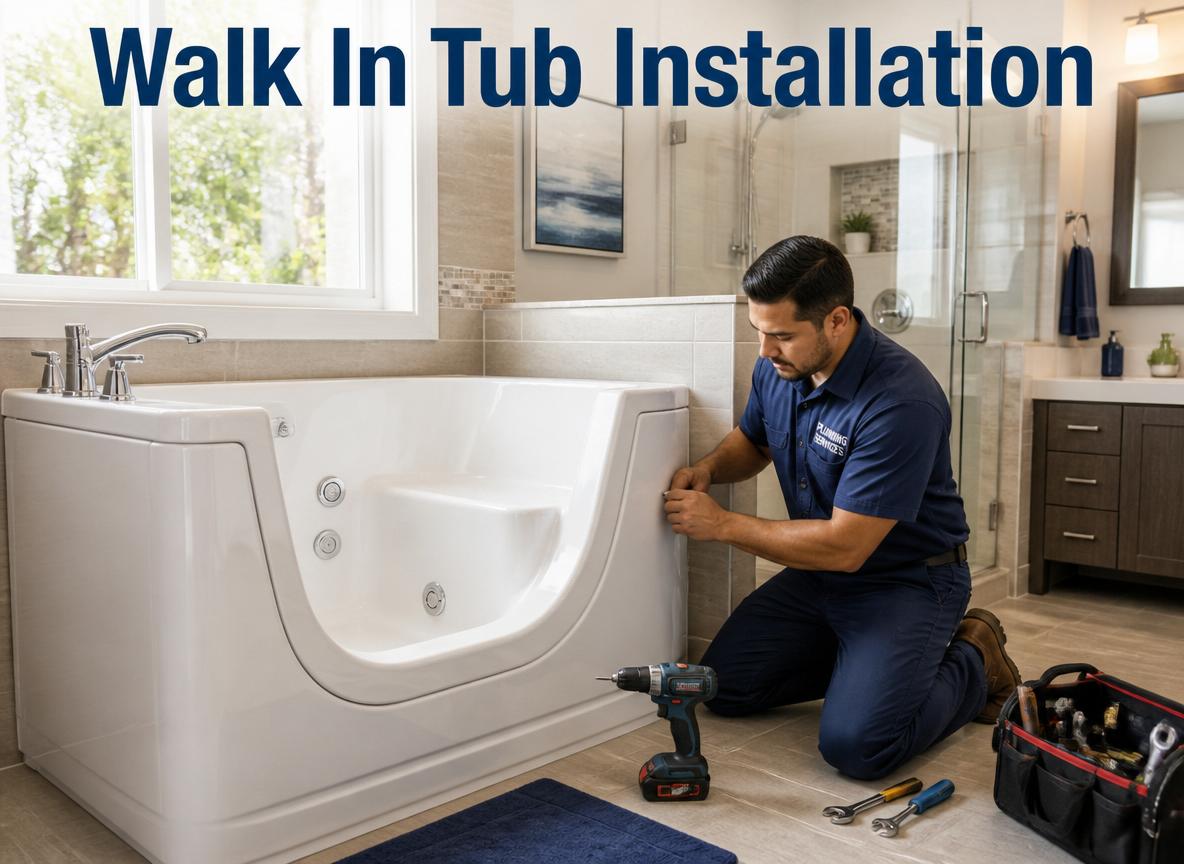
A walk in shower tub combo keeps both a soaking or accessible tub and a separate shower in the same bathroom. This is not the same as a tub-shower combo where you use a single fixture for both. In this configuration, you have a walk in tub and a shower as distinct units.
Walk in bathtub with shower combos cost between $2,500 and $20,000 depending on the tub type, size, and features such as hydrotherapy jets. This option makes the most sense when at least one household member needs dedicated tub access and you have enough square footage to support both fixtures.
Walk In Shower Dimensions – What Size Do You Actually Need?
Walk in shower dimensions matter more than most people realize until they’re standing inside the finished space wondering where to move their elbows.
Here are the standard sizes:
| Shower Size | Dimensions | Best Use Case |
|---|---|---|
| Code Minimum | 30 x 30 inches | Compliant, barely functional |
| Standard Small | 36 x 36 inches | Functional for one person |
| Comfortable | 36 x 60 inches | Most commonly recommended |
| Walk-In Open | 42 x 60 inches+ | Doorless or bench designs |
| ADA Compliant | 36 x 60 inches | Required for accessible installs |
| Luxury / Spa | 48 x 72 inches+ | Multi-head systems, seating, couples |
Per the IRC 2024 building code, the minimum finished interior dimension is 30 x 30 inches. But contractors who work in bathroom remodeling regularly see 36 x 36 as the real floor for anything livable. If you’re going doorless, 42 inches of depth is usually the minimum needed to prevent water from escaping toward the bathroom floor.
Walk in shower dimensions for small bathrooms need particular attention. A 36 x 36 corner unit in a 5 x 8 foot bathroom is workable. Going below that creates a space most adults find uncomfortable and that can actually reduce your home’s appeal to future buyers.
How Much Does a Walk In Shower Cost in 2026?
This is where most homeowners get surprised. The national average for a professionally installed walk in shower installation sits around $9,000, with a realistic range of $6,000 to $12,000 for standard projects according to Angi’s April 2026 data. More complex builds, particularly custom tiled curbless showers, run $14,000 to $20,000.
Converting a tub to a walk in shower is typically less expensive than building from scratch, averaging $2,000 to $12,000 depending on the shower type, as reported in This Old House’s January 2026 survey of 1,000 homeowners nationwide.
Here’s a breakdown of what actually drives cost:
| Cost Component | Low End | High End |
|---|---|---|
| Prefab kit (materials) | $700 | $3,000 |
| Custom tile (materials) | $1,500 | $10,000+ |
| Labor | $1,000 | $5,000+ |
| Shower pan (custom) | $983 | $3,935 |
| Waterproofing membrane | $50 | $1,000 |
| Glass door or enclosure | $550 | $1,400 |
| Permit fees | $250 | $500 |
| Demolition and debris | $300 | $1,250 |
| Drain relocation | $400 | $1,500+ |
| Mold remediation (if found) | $500 | $3,000+ |
Note: All prices reflect 2026 national averages. Verify current figures with local contractors and official supplier websites before budgeting.
The hidden cost that surprises most homeowners is what’s behind the walls. According to the 2026 This Old House Bath Survey, roughly 24% of homeowners who renovated a bathroom encountered unexpected water damage, and about 19% needed mold remediation after demolition. Add a 10-15% contingency to any walk in shower installation budget. Not because contractors are trying to inflate the bill, but because walls hold surprises.
How to Convert a Tub to a Walk In Shower – The Realistic Process
Converting a tub to walk in shower is the most common starting point for homeowners who already have a bathtub and want to reclaim that space for a shower. Here is what the process actually looks like from start to finish.
Step 1 – Confirm Your Layout and Plumbing Position
The single biggest variable in a tub-to-shower conversion is whether the drain position needs to move. A tub drain sits at one end. A shower drain typically sits in the center or toward the back. If the drain stays roughly where it is, costs stay manageable. If it needs to move, expect $400 to $1,500 in additional plumbing work.
If a contractor gives you a quote that doesn’t mention drain relocation, ask directly: is the drain staying put, and what happens if it can’t?
Step 2 – Demolition and Subfloor Prep
Old tile, the tub unit, the surrounding walls down to the studs, and any damaged subfloor material gets removed. This is when hidden mold and water damage shows up. Proper subfloor leveling and preparation directly affects how well the new shower pan sits and how long the installation holds.
Step 3 – Waterproofing
This is the step that determines whether your shower lasts 5 years or 25 years. Proper waterproofing uses either a sheet membrane or liquid membrane system across the shower pan and walls. Recognized systems include Schluter Kerdi, Wedi board, and RedGard liquid membrane.
As This Old House general contractor Tom Silva and tile specialist Mark Ferrante have demonstrated, using a two-layer liquid waterproofing membrane applied carefully at corners and seams is what separates installations that never leak from ones that fail inside a decade.
If your quote doesn’t list the waterproofing system by name, ask. “Waterproofed” means nothing without specifics.
Step 4 – Shower Pan and Walls
A prefab acrylic or fiberglass shower pan drops into place and sets level. A custom mortar or tile pan gets built on site, sloped correctly toward the drain, then tiled. Wall panels go in next, whether prefab surround panels or individual tile set over cement board.
Step 5 – Fixtures, Doors, and Finishing
Showerhead, valve, controls, grab bars, niches, and any bench get installed last. Glass doors or frameless enclosures go in at this stage. Caulking, grout sealing, and a final flood test close out the project.
A prefab walk in shower installation takes two to three days. A standard custom tiled shower takes three to five days. A complex curbless build with custom tile and plumbing changes can run one to three weeks.
Walk In Shower Ideas – What Actually Works in Real Bathrooms
Walk in shower ideas look great on Pinterest. Some of them also work in actual homes. Here is how to filter the realistic from the aspirational.
Doorless walk in shower ideas work well in bathrooms where the shower depth is at least 42 inches. Less than that and water ends up on your bathroom floor regardless of how you angle the showerhead. A common installation mistake is pointing the showerhead directly at the entry. Angling it toward the back corner keeps water contained even without a door.
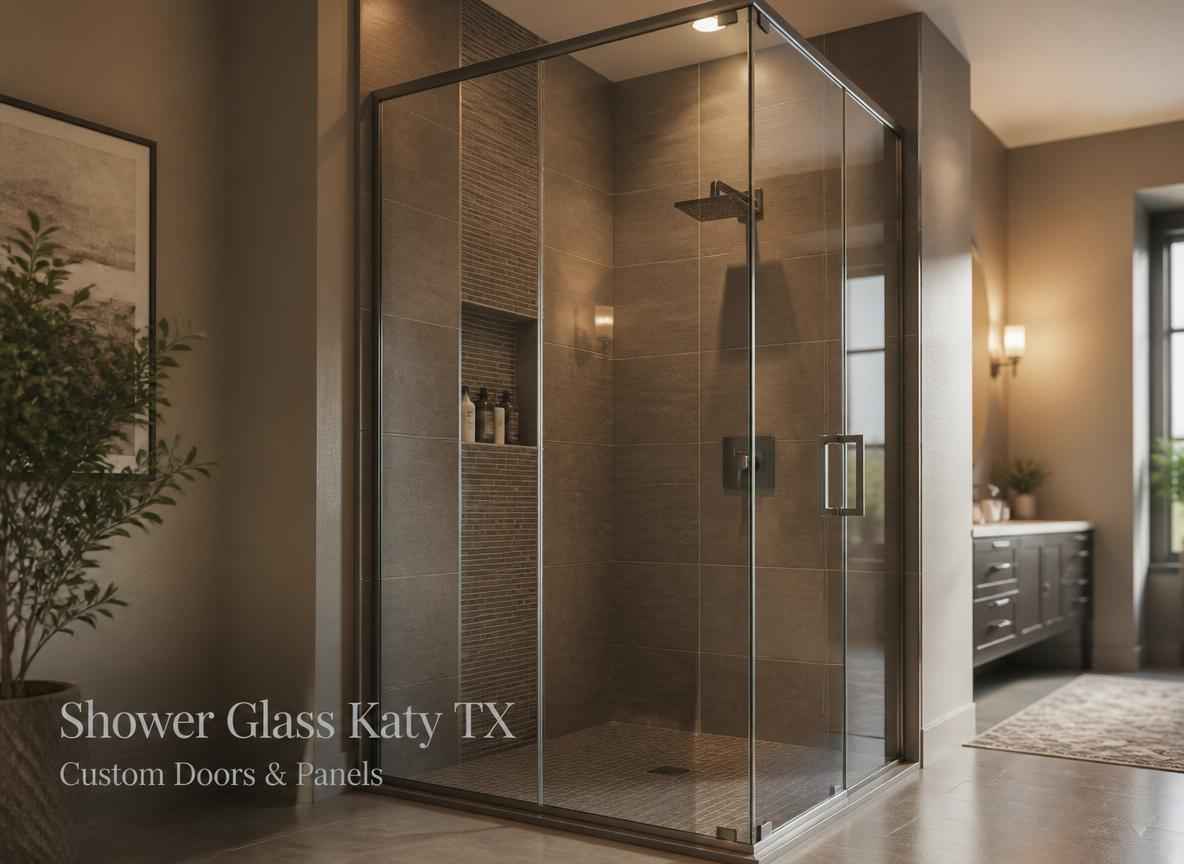
Walk in shower with wall designs, where one or two partial glass panels replace a full enclosure, offer the open look with better water control. These are a strong middle-ground option for small or medium bathrooms.
For walk in shower tile ideas that work long-term: large-format tiles (24 x 24 inches or bigger) require fewer grout lines and are easier to clean. Textured or matte tiles on the floor give better grip than polished or glossy finishes. Subway tile remains the lowest-maintenance wall option at a reasonable cost.
If you’re working with limited space, walk-in shower ideas for small bathrooms usually center on one of three approaches: a 36 x 36 corner unit with frameless glass, a 36 x 60 alcove with a half wall instead of a full door, or a wet room layout where the entire bathroom floor is waterproofed and drains as one zone.
Walk In Shower vs Tub – The Honest Resale Consideration
Here is the one conversation most contractors skip: removing your only bathtub can hurt your home’s resale value.
According to a National Association of Home Builders survey, 74% of home buyers prefer a tub and shower in the primary bathroom. A 2026 analysis from Angi puts the average ROI of a tub-to-shower conversion at 60%, meaning you recover about $0.60 on every dollar spent at resale.
If your home has a second bathroom with a tub, converting one tub to a walk in shower is a safe call. If the tub you’re converting is the only one in the house, think carefully about your local buyer market and your timeline before committing.
For homeowners who plan to stay in the house for ten or more years, the daily utility of a walk in shower far outweighs the resale risk. For anyone who might sell within five years, especially in a market with many young families, keeping at least one tub matters.
What to Ask Before You Hire a Contractor
Most homeowners get three quotes and pick the middle one. That’s a reasonable starting point, but there are specific questions that will separate solid contractors from ones who will hit you with change orders later.
- Is drain relocation included in this quote, and what is the cost if it is needed?
- What waterproofing system do you use, and is it listed as a line item?
- Who is your licensed plumber, and can I verify their license number?
- What happens if you find mold or water damage once the walls are open?
- Does this quote include permit fees and debris removal?
- What is the payment schedule, and when is the final payment due?
- What warranty do you provide on materials and workmanship?
In side-by-side evaluations of contractor quotes for bathroom remodels, the difference between a $6,000 quote and a $9,000 quote for the same job often comes down to whether waterproofing, permit fees, and contingency are already included. A low quote that excludes those items frequently ends up costing more than the higher quote that includes them.
If you’re looking at one-day installation companies as an option, they typically use proprietary wall systems and prefab components that can install quickly but offer less design flexibility than a custom tile build. They work well for homeowners who prioritize speed and low disruption over full design control.
CONCLUSION
A walk in shower installation is one of the higher-value bathroom upgrades a homeowner can make, but the payoff depends entirely on choosing the right type for your bathroom, setting a budget that accounts for hidden costs, and working with a contractor who treats waterproofing as a non-negotiable rather than an afterthought.
Start by deciding whether prefab or custom fits your goals and budget. Lock in your shower dimensions before anything else. Get quotes that include waterproofing systems, permit costs, and a contingency line. And if this is your only tub, run the resale math before you commit.
If you’re ready to move forward, get at least three itemized quotes from licensed contractors in your area. A great walk in shower lasts twenty-plus years. The extra time you spend planning it right is always worth it.
FAQ SECTION
Q1: What is the minimum size for a walk in shower? The code minimum per IRC 2024 is 30 x 30 inches for the finished interior. In practice, most experienced bathroom contractors recommend 36 x 36 inches as the functional minimum. Anything below that feels cramped for most adults and can reduce the home’s appeal to future buyers. For a doorless design, 42 inches of depth is typically required to keep water contained.
Q2: How much does it cost to convert a tub to a walk in shower? Converting a tub to a walk in shower costs between $2,000 and $12,000 for most projects, according to This Old House’s 2026 homeowner survey. Simple prefab conversions sit at the lower end. Custom tiled curbless showers with drain relocation and frameless glass push toward the top. Always budget a 10-15% contingency for hidden water damage or mold, which appeared as an unexpected cost for roughly one in four homeowners in the same survey.
Q3: Can I install a walk in shower myself? Portions of the work, like demolition or painting, are realistic DIY tasks. But waterproofing, plumbing connections, and drain work require licensed professionals in most states. Improper waterproofing is the leading cause of shower failures that result in mold growth, structural damage, and expensive repairs behind finished walls. Most experienced contractors and industry sources recommend hiring a licensed plumber for all plumbing-related steps regardless of your DIY comfort level.
Q4: What is the difference between a walk in shower and a curbless shower? A walk in shower has a low-threshold entry, which may include a small lip or curb of one to three inches. A curbless shower, also called a zero-threshold shower, has no barrier at the entry and transitions seamlessly from the bathroom floor. Curbless designs meet ADA accessibility standards but require subfloor modification and careful floor sloping for proper drainage. They cost more than standard walk in showers due to this additional structural work.
Q5: Will removing my bathtub hurt my home’s resale value? It depends on whether you have another tub in the house. According to a National Association of Home Builders survey, 74% of home buyers prefer a tub and shower in the primary bathroom. If you’re removing your only tub, this can narrow your buyer pool, particularly among families with young children. If your home has a second bathroom with a tub, converting one to a walk in shower typically adds appeal and modernizes the space without a resale penalty.
Q6: How long does walk in shower installation take? A prefab walk in shower kit installs in two to three days. A standard custom tiled shower takes three to five days. A complex curbless build with new plumbing, custom tile work, and structural modifications can take one to three weeks. Delays can happen if hidden water damage or mold is discovered during demolition, or if custom materials are on back order.
Q7: What is the best tile for a walk in shower floor? Textured or matte porcelain tile is the most practical choice for shower floors. It provides better grip than polished or glossy finishes, which become slippery when wet. Ceramic tile is a budget-friendly alternative. Natural stone looks premium but requires sealing and more maintenance. Mosaic tile, while visually popular, has more grout lines, which means more cleaning. Choose a tile rated for wet areas and check the COF (coefficient of friction) rating before buying.
Q8: Do I need a permit to install a walk in shower? In most U.S. states and municipalities, yes. Any renovation that involves plumbing work, especially drain relocation or new supply lines, typically requires a permit and inspection. Permit costs range from $250 to $500 in most markets. Skipping permits creates risk at resale and leaves you liable if the work fails code inspection later. Always confirm permit requirements with your local building department before work begins.
Q9: What questions should I ask a walk in shower contractor before hiring? Ask whether drain relocation is included in the quote, which waterproofing system they use (and whether it appears as a line item), who the licensed plumber on the job is, what happens if water damage is found during demolition, whether permit fees and debris removal are included, the payment schedule and when the final payment is due, and what warranty covers materials and workmanship. These questions separate thorough contractors from those who rely on change orders to close the gap.
Q10: What is the best walk in shower for a small bathroom? For bathrooms under 50 square feet, a 36 x 36 corner unit with frameless glass is the most space-efficient option. A 36 x 60 alcove shower with a half-wall instead of a full door is another strong choice that makes the room feel larger. A wet room layout, where the entire bathroom floor is waterproofed and drains as one zone, works well in very tight spaces and eliminates the need for a separate enclosure entirely.