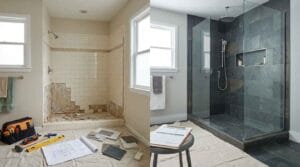
Bathroom Shower Remodel: Costs, Ideas and What to Know
Bathroom Shower Remodel: The Complete Guide for US Homeowners in 2026
Your shower is the problem. Maybe it leaks around the base, grows grout mold that no amount of scrubbing fixes, or just looks like it belongs in a different decade. Whatever brought you here, a bathroom shower remodel is one of the highest-return bathroom investments a homeowner can make — if it’s done right.
Done wrong, it’s one of the most expensive callbacks in home renovation. Waterproofing failures, tile lippage, grout that cracks within a year, showerheads that don’t align with how people actually stand in the space. The difference between a shower that holds up for twenty years and one that needs rework in three almost always comes down to contractor quality and substrate preparation. This guide covers both, along with real cost ranges, the design decisions worth spending money on, and the checklist that separates qualified shower remodel contractors from risky ones.
What a Bathroom Shower Remodel Actually Involves
A bathroom shower remodel is a renovation project that replaces, reconfigures, or upgrades a shower enclosure including the waterproofing substrate, tile or wall panels, floor, fixtures, and glass or door system.
That definition matters because many homeowners assume a remodel is primarily cosmetic. It is not. The most consequential work happens behind the walls and under the floor, invisible once the project is complete. A contractor who cuts corners on waterproofing installs a beautiful shower that fails silently for 18 months before the damage becomes visible in a rotted subfloor or mold colony behind the tile.
The visible work is tile, glass, and fixtures. The work that determines whether your investment lasts is membrane application, substrate preparation, and slope execution. Any contractor who cannot speak specifically to these should not be installing your shower.
Bathroom Shower Remodel Cost: What You Actually Pay in 2026
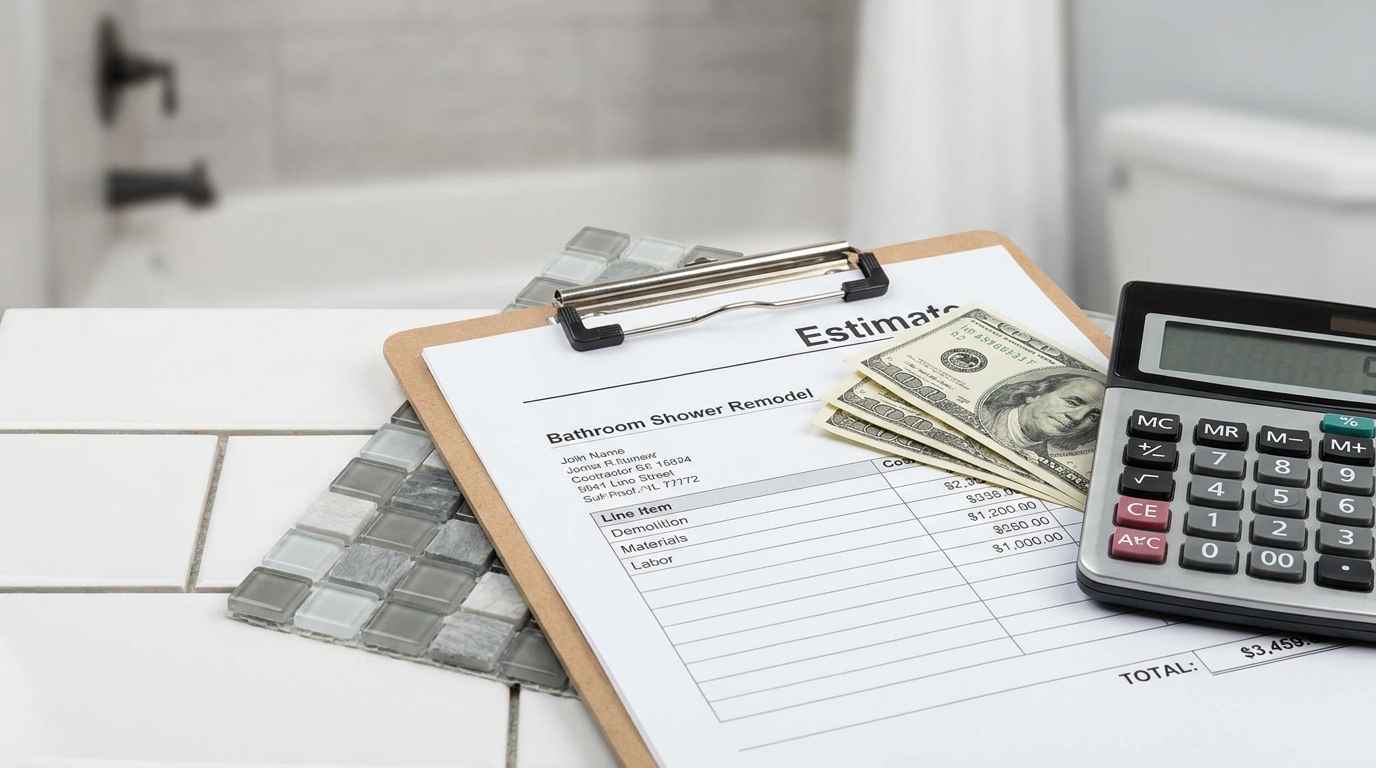
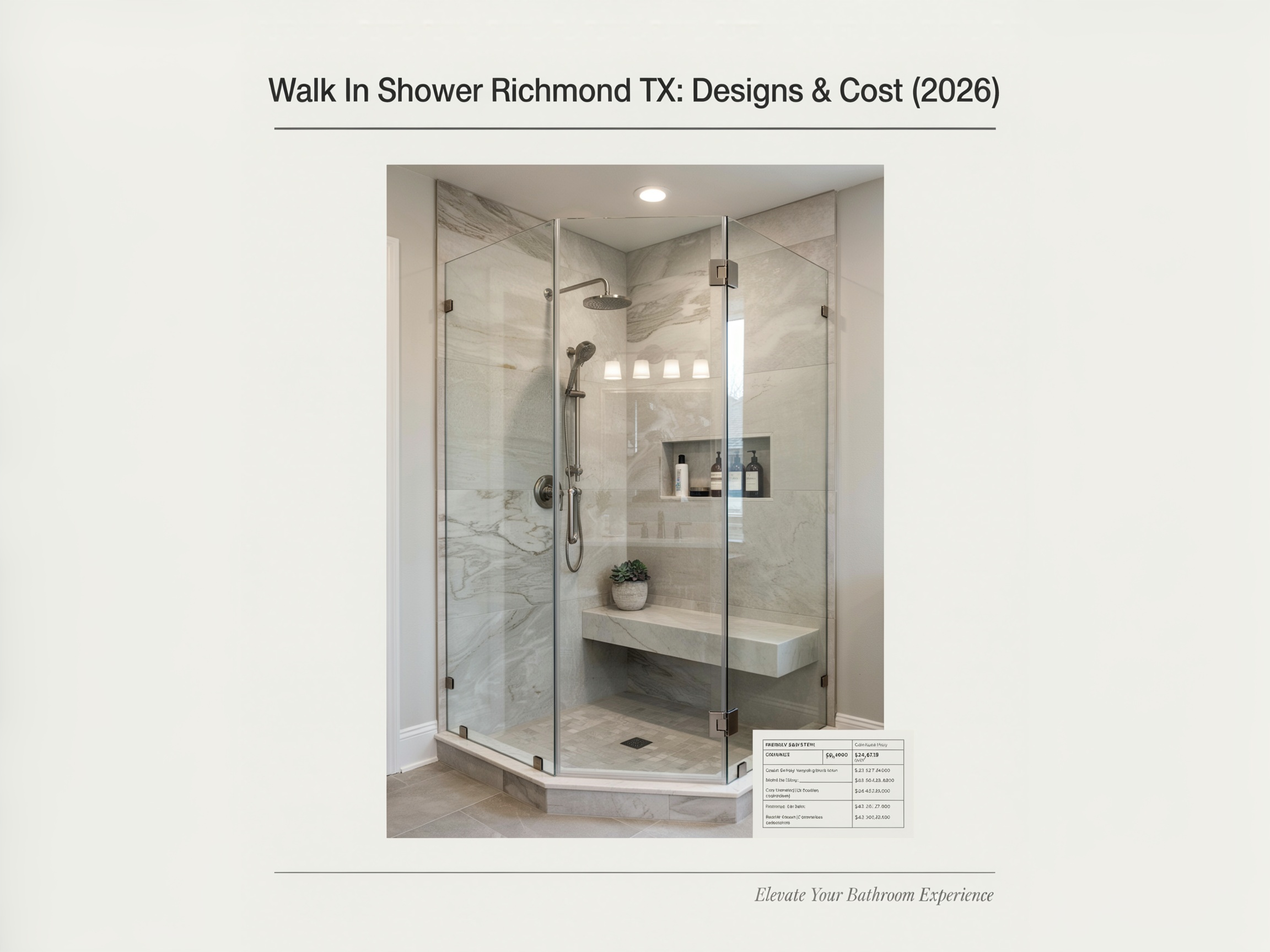
Bathroom shower remodel costs in 2026 range from approximately $3,500 for a basic prefabricated kit installation to $18,000 or more for a custom tiled, frameless glass, zero-entry shower with premium fixtures. The national average for a mid-range shower remodel sits between $7,000 and $12,000 according to the National Kitchen and Bath Association’s 2025 industry data.
Cost by Project Type
A prefab shower kit installation using acrylic or fiberglass walls with a prefabricated base runs $3,500 to $6,500 all in. This is the fastest, most affordable option and is entirely appropriate for secondary bathrooms or rental properties where durability and visual impact are secondary to speed and budget.
A mid-range custom tile shower with a standard 3 by 4 foot footprint, cement board substrate, quality waterproofing membrane, porcelain tile, and semi-frameless glass typically runs $7,000 to $12,000 depending on tile selection and local labor rates.
A high-end primary bathroom shower with large format tile, linear drain, curbless entry, frameless glass, multiple body sprays, and a steam generator runs $14,000 to $25,000 in most US markets. Premium material selections and coastal metro labor rates push this higher.
These figures do not include plumbing relocation if your layout changes, structural repairs discovered during demo, or permit fees which vary by municipality. Always get three itemized written quotes. Verify all pricing directly with local contractors as material and labor costs shift with market conditions.
What Drives Cost Up Without Corresponding Value
The decisions that add cost without meaningful long-term return include elaborate mosaic accents that are expensive to install and difficult to clean, imported stone tile with high maintenance requirements that homeowners regret within two years, and steam generators in showers without proper vapor barriers. Spend money on waterproofing quality, tile durability, and hardware grade. These pay back. The ornamental choices do not always.
Bathroom Shower Remodel Ideas That Actually Work in Real Homes
The best shower remodel ideas balance visual impact with functional durability. What photographs beautifully and what holds up to daily use sometimes diverge.
Large Format Tile
Large format porcelain tiles — 24 by 24 or 24 by 48 inch formats — have dominated shower remodels since 2022 and continue to be the most requested option in 2026. Fewer grout lines means less cleaning, a cleaner visual, and a more spa-like aesthetic. The installation requirement is a flatter substrate, which adds cost on older homes. On a freshly prepared surface with quality Schluter Systems Kerdi or Wedi board waterproofing, large format tile installs cleanly and performs well long-term.
Doorless and Curbless Configurations
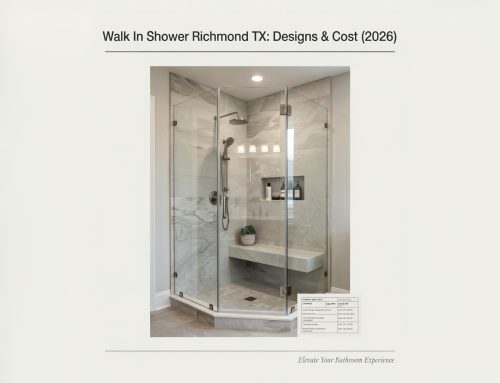
Doorless walk-in showers are the most requested design change in primary bathroom remodels. No door means no glass to clean, no tracks to maintain, and an open aesthetic that makes bathrooms feel significantly larger. The functional requirement is precise drain placement in the rear third of the shower and a minimum 36-inch wide opening to contain splash. When executed correctly by an experienced contractor, doorless showers are both beautiful and practical. When executed incorrectly, water migrates outside the shower area and causes subfloor damage within months.
Niche Shelving Built Into the Wall
Recessed tile niches eliminate corner caddies and create the clean wall-to-wall look that defines high-end shower remodels. They require waterproofing inside the niche box — a step many contractors skip — and should be positioned on non-exterior walls whenever possible to avoid thermal bridging. Budget approximately $200 to $500 per niche depending on size and tile pattern.
Frameless Glass Enclosures
Frameless glass shower doors and panels are worth the cost premium over framed alternatives in primary bathrooms where cleaning and aesthetics matter. The maintenance difference over five years is significant. Framed glass accumulates soap scum and mineral deposits in channels and tracks that require weekly scrubbing. Frameless glass with tempered 3/8 inch panels wipes clean in 30 seconds. The installation requires precise wall work because there are no channels to hide imperfections.
How to Find Bathroom Shower Remodel Contractors Worth Hiring
Finding shower remodel contractors near you takes minutes. Finding one worth hiring takes more effort — and the effort is worth it.
What to Verify Before Signing Anything
Verify the contractor’s license through your state licensing board. In Texas this is the Texas Department of Licensing and Regulation at tdlr.texas.gov. Most states have equivalent online lookup tools. Any contractor performing plumbing work alongside tile installation must have either a plumbing license or a licensed plumbing subcontractor.
Request certificates of general liability insurance and workers compensation coverage in writing. A contractor without insurance creates direct personal liability for you as the homeowner if anyone is injured on your property.
Ask for three references from shower projects completed in the past 12 months. Call them. Ask specifically how the contractor handled waterproofing, whether the grout has held up, and whether any water issues appeared after project completion.
The Waterproofing Question That Separates Good Contractors From Bad Ones
Before hiring any shower remodel contractor, ask this specific question: what waterproofing membrane system do you use and how do you handle the floor-to-wall transition?
A qualified contractor will name a specific system — Schluter Kerdi, Wedi, USG Durock Next Gen, or Laticrete Hydro Ban. They will describe the slope execution for the pan and explain how they handle corners and curb transitions. A contractor who says they use cement board and modified thinset as their waterproofing approach is describing an inadequate standard that produces failures in 3 to 7 years in consistently wet environments.
Cement board is a substrate. It is not a waterproofing membrane. These are not the same thing.
Payment Structure and Red Flags
Standard residential remodeling practice in the US is 10 to 30 percent upfront with remaining payments tied to verified project milestones. Never pay more than 30 percent before work begins. Any contractor requesting 50 percent or more upfront before meaningful work starts should not receive your business regardless of how professional they appear.
Tub to Shower Conversion: When It Makes Sense and When It Doesn’t
Converting a bathtub to a walk-in shower is the most common shower remodel project in primary bathrooms across the US. According to the National Kitchen and Bath Association’s 2025 market data, tub-to-shower conversions now represent a majority of primary bathroom remodel projects, driven by changing household demographics and a consistent preference for daily showering.
The conversion makes financial and practical sense in a primary bathroom where the tub goes unused and the existing shower is cramped. It is a poor choice in a home with only one bathroom or in a family with young children who rely on bathtubs. Eliminating the only tub in a home reduces resale appeal to buyers with young children and can reduce offer prices in family-oriented markets.
If you’re converting a tub and preserving bathing capability, a freestanding soaking tub alongside a new shower enclosure in a primary bathroom is the solution that delivers both. It adds cost but preserves the functionality that makes the space universally appealing.
The Shower Remodel Checklist Before You Start
Save this before getting your first quote.
- Measure your existing shower footprint and ceiling height precisely
- Identify whether any plumbing relocation is needed — moving drain or supply lines adds cost significantly
- Decide whether you’re keeping, converting, or removing the tub
- Choose tile format and material before getting quotes so bids cover the same scope
- Determine glass type — framed, semi-frameless, or frameless
- Confirm fixture location for showerhead, body sprays, and hand shower
- Identify whether a niche or bench is included in scope
- Verify permit requirements with your local building department
- Get three itemized written quotes that specify waterproofing method by brand
- Request references from completed shower projects before signing
Shower Remodel Pros, Cons and Honest Trade-offs
What a shower remodel delivers well: a completely updated primary bathroom that adds daily quality-of-life improvement, increased home value, better water efficiency with modern fixtures, and a space that is genuinely easier to maintain than most original shower installations.
What it does not deliver automatically: a longer-lasting result if waterproofing is inadequate, a perfect outcome if the contractor is experienced with floors and walls but not specifically with wet area installation, or a problem-free project if the scope is not clearly defined before work begins.
The trade-off most articles skip: custom tile showers require more cleaning than prefab acrylic or fiberglass. The grout lines, however minimal with large format tile, still collect soap film. If you genuinely cannot commit to periodic grout sealing and weekly wiping, a high-quality acrylic kit from Kohler or American Standard is a better long-term choice for your lifestyle than a custom tile installation that goes unmaintained.
Making the Decision and Finding the Right Contractor
A bathroom shower remodel done correctly is one of the best investments a US homeowner makes in their property. Done with inadequate waterproofing or an unqualified contractor, it becomes an expensive problem that surfaces 18 months after the contractor is no longer reachable.
The checklist in this guide is the most useful thing you can take into your contractor evaluation process. Bookmark it before you start making calls. Get three written quotes that specify waterproofing method by brand name, not generic “waterproofing will be applied.” Verify licenses. Call references and ask specifically about how the shower has held up since completion.
Your Dream Remodeling serves Houston, Katy, Sugar Land, Cypress, and Richmond, Texas homeowners with NTCA tile certification, CAPS certification, and verified reviews from completed bathroom and shower projects. If you’re in these service areas and ready for an in-home consultation, yourdreamremodeling.com is the right starting point.
The shower you’re planning to build today should still be performing perfectly in 2041. Getting the waterproofing right is how that happens.
FAQ
How much does a bathroom shower remodel cost? Mid-range shower remodels run $7,000 to $12,000 in most US markets. Basic kit installations start around $3,500. Custom curbless showers with frameless glass run $14,000 to $25,000. Always get three itemized quotes and verify pricing with local contractors.
How long does a shower remodel take? A prefab kit swap takes 2 to 4 days. A custom tile shower typically takes 1 to 2 weeks. Larger projects with plumbing changes or structural work run 2 to 3 weeks. Large format tile requires extra curing time between installation and grouting.
Do I need a permit for a shower remodel? Permits are required for plumbing changes, electrical work, and structural modifications in most US jurisdictions. Tile-only replacements with no system changes often don’t require permits. Always verify with your local building department before starting.
What waterproofing system is best for a shower remodel? Schluter Systems Kerdi membrane, Wedi board, and Laticrete Hydro Ban are industry-standard options used by qualified tile contractors. Cement board alone is not waterproofing. Any contractor who cannot name a specific membrane system should not be installing your shower.
Is a tub-to-shower conversion worth it? Yes for most primary bathrooms where the tub is unused. No if it’s the only tub in the home, particularly in family-oriented markets. Eliminating the last tub reduces resale appeal for buyers with young children.
What tile is best for a shower remodel? Matte or textured porcelain tile with a DCOF slip resistance rating of 0.42 or higher for floors. Large format porcelain (24×24 or larger) for walls reduces grout lines and cleaning time. Polished stone on shower floors is a safety risk when wet.
What is the difference between a shower remodel and a shower replacement? A remodel redesigns the space — changing layout, tile, fixtures, and possibly footprint. A replacement swaps like-for-like components without layout changes. Remodels cost more and take longer but produce better outcomes. Replacements are faster and suit secondary bathrooms or budget-constrained projects.
How do I find reliable shower remodel contractors near me? Verify licenses through your state licensing board. Request proof of liability insurance and workers comp. Ask for references from shower projects completed in the last 12 months and call them. Get three itemized quotes specifying waterproofing method by brand.
What is a curbless shower and is it worth the cost? A curbless shower has no threshold at the entry, making it accessible and visually open. It requires precise drain placement and floor slope execution. Worth the cost in primary bathrooms for accessibility, aesthetics, and aging-in-place value. Requires an experienced contractor who understands curbless waterproofing requirements.
How long does a tile shower last? A properly waterproofed tile shower with quality grout and sealed grout lines lasts 20 to 30 years. A shower with inadequate waterproofing shows failure in 3 to 7 years. Grout should be resealed annually and inspected for cracking. Hardware and fixtures typically last 10 to 15 years before needing replacement