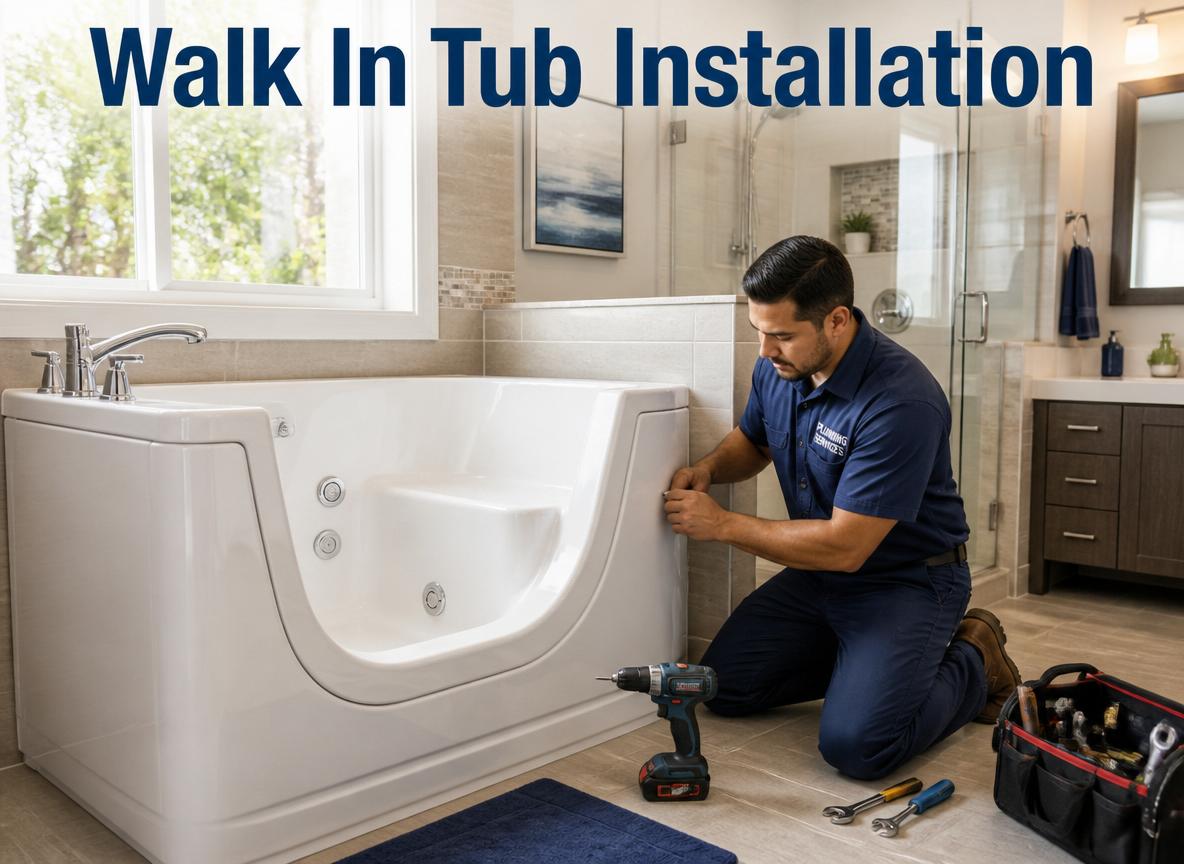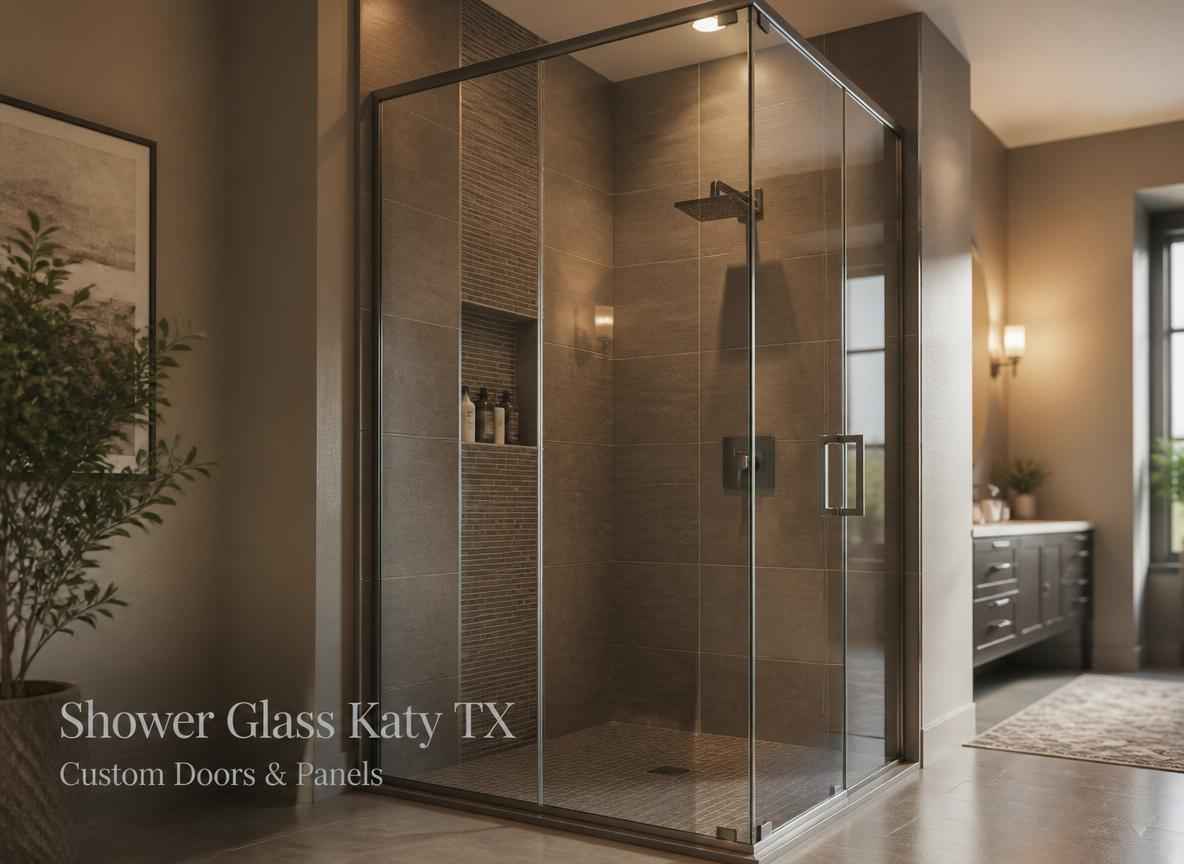
A walk-in shower has become one of the popular bathroom upgrades in modern homes. It offers a design, easy accessibility and a luxurious feel that turns any bathroom into a spa-like space. Whether you are renovating your bathroom or building one understanding how a walk-in shower works and how to design it properly is crucial.
In this guide you’ll learn everything about walk-in showers including design ideas, benefits, installation tips and maintenance.
What is a Walk-In Shower?
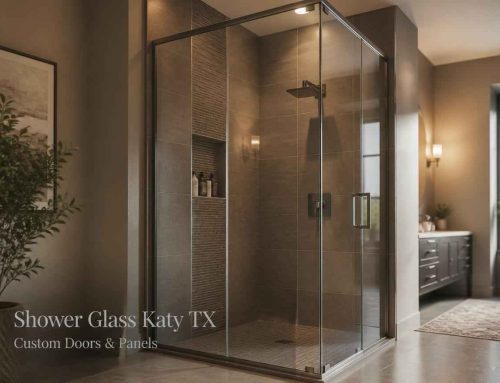
A walk-in shower is a shower area without a door or curtain. It is designed for entry and usually features a glass panel or open layout. This allows you to walk directly into the shower space without stepping over a threshold. Unlike showers walk-in showers focus on accessibility and minimalism. They are especially popular in contemporary homes.
Benefits of a Walk-In Shower
Modern and Stylish Look
Walk-in showers instantly upgrade the look of your bathroom.
Their clean lines and open design create an elegant feel.
Easy Accessibility
One of the advantages of a walk-in shower is its ease of use.
There is no need to step over a tub or barrier.
This makes it ideal for people or individuals with mobility issues.
Space-Saving Design
Walk-in showers are perfect for bathrooms.
The open design makes the room feel larger and less cluttered.
Easy Cleaning
Without curtains or bulky doors cleaning becomes much simpler.
Glass panels and tiled surfaces are easy to maintain.
Increased Home Value
Installing a walk-in shower can boost your home’s value.
Buyers often prefer bathrooms with upgraded features.
Walk-In Shower Design Ideas
Frameless Glass Shower
A frameless glass walk-in shower gives an modern look.
It keeps the bathroom open and allows light to flow freely.
Tile-Based Walk-In Shower
Using tiles can completely transform your shower area.
Popular choices include:
- Marble tiles
- Subway tiles
- Mosaic patterns
Corner Walk-In Shower
If your bathroom is small a corner walk-in shower is an option.
It maximizes space while maintaining functionality.
Wet Room Style
A wet room is a waterproofed bathroom where the shower area blends seamlessly with the rest of the space.
This is a high-end walk-in shower design.
Key Features of a Walk-In Shower
Shower Base
The base is the foundation of your walk-in shower.
It ensures drainage and supports the entire structure.
Drainage System
A proper drainage system prevents water from spreading across the bathroom floor.
Linear drains are commonly used in designs.
Glass Panels
Most walk-in showers use glass panels of doors.
These panels help contain water while maintaining a feel.
Shower Fixtures
Walk-in showers often include:
- Rainfall showerheads
- Handheld showers
- Body jets
How to Install a Walk-In Shower
Installing a walk-in shower requires careful planning.
Here’s a simplified step-by-step guide:
Step 1: Plan the Layout
Decide where the shower will be placed.
Consider plumbing, drainage and available space.
Step 2: Prepare the Floor
Ensure the floor is properly sloped toward the drain.
This prevents water pooling.
Step 3: Install the Shower Base
Fit the shower base securely. Connect it to the drainage system.
Step 4: Waterproof the Area
Apply membranes to walls and floors to prevent leaks.
Step 5: Tile the Shower
Install tiles carefully to create a stylish surface.
Step 6: Install Glass Panels
Fix glass panels in place to define the shower area.
Step 7: Add Fixtures
Install showerheads, faucets and other accessories.
Best Materials for Walk-In Showers
Tiles
Tiles are the common material.
They are durable water-resistant and available in designs.
Glass
Tempered glass is used for panels.
It is strong and safe.
Stone
Natural stone adds a touch but requires more maintenance.
Acrylic
Acrylic shower bases are affordable and easy to install.
Walk-In Shower vs Traditional Shower
Walk-In Shower
- modern design
- Easy to access
- Requires drainage
Traditional Shower
- Enclosed with doors or curtains
- Less expensive initially
- Can feel smaller and outdated
Walk-in showers are generally preferred for their style and functionality.
Cost of a Walk-In Shower
The cost of a walk-in shower varies based on several factors:
- Size of the shower
- Materials used
- Labor costs
- Design complexity
On average a walk-in shower can range from PKR 80,000 to PKR 300,000. Depending on quality and features.
Maintenance Tips for Walk-In Showers
Clean Regularly
Wipe down glass panels and tiles to prevent soap scum and stains.
Check Drainage
Ensure the drain is not clogged to avoid water buildup.
Seal Tiles
If you use stone or grout sealing helps prevent water damage.
Prevent Mold
Keep the area ventilated to reduce moisture and mold growth.
Common Mistakes to Avoid
Poor Drainage Planning
Drainage can cause water to spread outside the shower area.
Skipping Waterproofing
This can lead to leaks and long-term damage.
Choosing the Wrong Tiles
Slippery tiles can be dangerous.
Always choose -slip options.
Ignoring Space Requirements
Make sure there is room for comfortable use.
Is a Walk-In Shower Right for You?
A walk-in shower is ideal if you:
- Want a modern bathroom design
- Need accessibility
- Have limited space
- Prefer low-maintenance solutions
However if you love bathtubs or have a tight budget a traditional shower might be more suitable.
Conclusion
A walk-in shower is a perfect blend of style, functionality and comfort. It enhances the look of your bathroom while offering benefits like easy access and simple maintenance. Whether you choose a glass design or a luxurious tiled layout investing in a walk-in shower can significantly improve your daily routine and increase your home’s value.
With planning, quality materials and correct installation your walk-in shower can last for years and provide a relaxing spa-like experience every day.
FAQs
1. What is the ideal size for a walk-in shower?
The ideal size is at 36 x 36 inches but larger sizes offer more comfort.
2. Do walk-in showers splash water outside?
If designed properly with drainage and glass panels water splashing can be minimized.
3. Are walk-in showers expensive?
They can be more expensive than showers but the cost depends on materials and design.
4. Can I install a walk-in shower in a bathroom?
Yes walk-in showers are perfect for spaces and can make the bathroom look bigger.
5. How long does it take to install a walk-, in shower?
Installation usually takes 3 to 7 days depending on complexity.