You’ve probably got a ballpark figure in your head — but a quick search for walk in shower cost returns numbers so far apart they’re nearly useless. One source says $3,000. Another says $25,000. Both are technically accurate, which is exactly the problem. The actual cost depends on four things that most articles gloss over: your shower type, your tile choice, your glass enclosure, and — the one that causes the most budget surprises — whether or not you’re moving plumbing. This guide gives you real 2026 price ranges by project type, breaks down what each cost driver actually means in dollars, and tells you where the money goes so you can make a decision that fits your budget.
Walk In Shower Cost at a Glance: 2026 Price Ranges
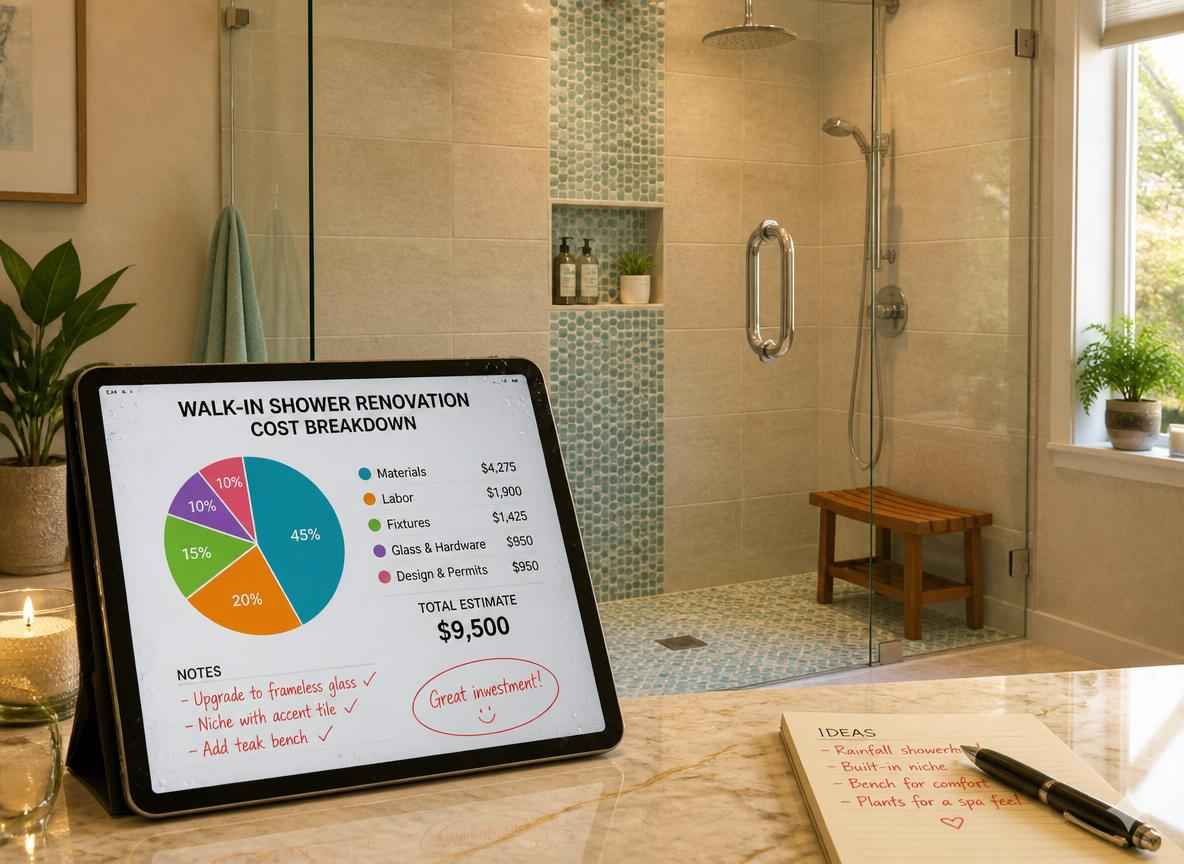
The national average cost to install a walk-in shower in 2026 runs approximately $9,500, with most homeowners landing somewhere between $4,500 and $15,000 (Modernize, 2026). But that single average hides a spread wide enough to matter. Here’s how projects actually break down by tier:
| Project Tier | Total Installed Cost | What You Get |
|---|---|---|
| Basic prefab (fiberglass/acrylic) | $3,500 – $7,000 | Prefabricated kit, standard fixtures, minimal plumbing change |
| Mid-range tiled shower | $8,000 – $14,000 | Porcelain tile, frameless or semi-frameless glass, new shower pan |
| Custom walk-in | $14,000 – $20,000+ | Custom tile layout, frameless glass enclosure, multiple showerheads |
| Luxury / spa build | $20,000 – $35,000+ | Natural stone, steam system, digital controls, large-format tile, bench |
Prices reflect national averages for professionally installed projects, inclusive of labor, materials, and standard permit fees. Verify current pricing with your contractor before committing to a budget. Regional labor rates in fast-growing metro areas like Greater Houston typically run 10–15% above national averages.
The single biggest variable? Labor. In 2026, skilled trade shortages mean licensed plumbers command $85–$200 per hour, and tile setters charge $10–$25 per square foot for labor alone, up from prior years (National Association of Home Builders, 2026). Labor accounts for 40–60% of your total project cost regardless of which tier you choose.
What Actually Drives Walk In Shower Cost Up or Down
Most articles list the cost factors without telling you how much each one matters. Here’s a clearer picture.
1. Moving Plumbing — The Budget Killer Nobody Warns You About
Keeping your drain and water supply lines where they are is the single most effective way to control your project cost. Moving a single fixture — even a few inches — costs $500–$1,500 in additional labor because it requires opening the floor or wall to reroute drain lines (USA Cabinet Store, 2026). On a concrete slab foundation, common in Houston-area homes, that means jackhammering. Budget an additional $500–$1,500 per fixture relocated just for the structural work, before you touch a tile.
If your existing shower layout works, leave the plumbing where it is. Redesign the aesthetics, not the pipes.
2. Tile Choice: The Biggest Material Variable
Tile is where design decisions get expensive fast. The material cost spread is enormous:
| Tile Material | Material Cost Per Sq Ft | Notes |
|---|---|---|
| Ceramic | $1 – $5 | Budget option; less durable in wet environments long-term |
| Porcelain | $3 – $10 | Best value for showers; durable, low maintenance, handles humidity |
| Glass tile | $7 – $30 | Visually striking; higher installation cost due to precision cutting |
| Natural stone (travertine, slate) | $10 – $40 | Beautiful; requires annual sealing; harder to maintain in humid climates |
| Marble | $25 – $60+ | Premium look; high maintenance; not ideal in areas with hard water |
For most Houston-area homeowners, porcelain is the right answer. It’s durable, handles the region’s humidity without sealing requirements, and comes in large-format sizes (12×24, 24×48) that are genuinely popular in current remodels. Natural stone is stunning but demands maintenance most homeowners don’t follow through on, especially in high-humidity climates.
3. Glass Enclosure Type
The glass enclosure is often the largest single line item after tile — and the option with the most visible impact on how the finished shower looks and feels.
Framed enclosure ($800–$2,000 installed): Aluminum framing around the perimeter. Lower cost because it uses thinner glass. Looks dated to many buyers now.
Semi-frameless ($1,200–$3,000 installed): Frame only at the wall connections; exposed glass on the door panel. Good middle ground on cost and aesthetics.
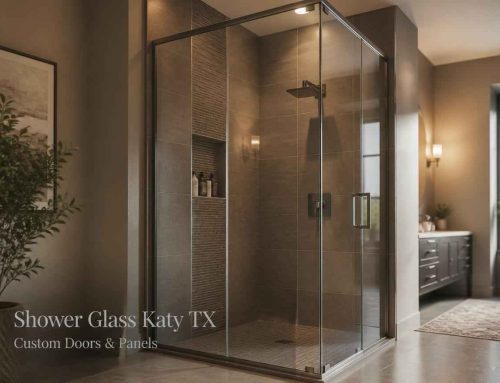
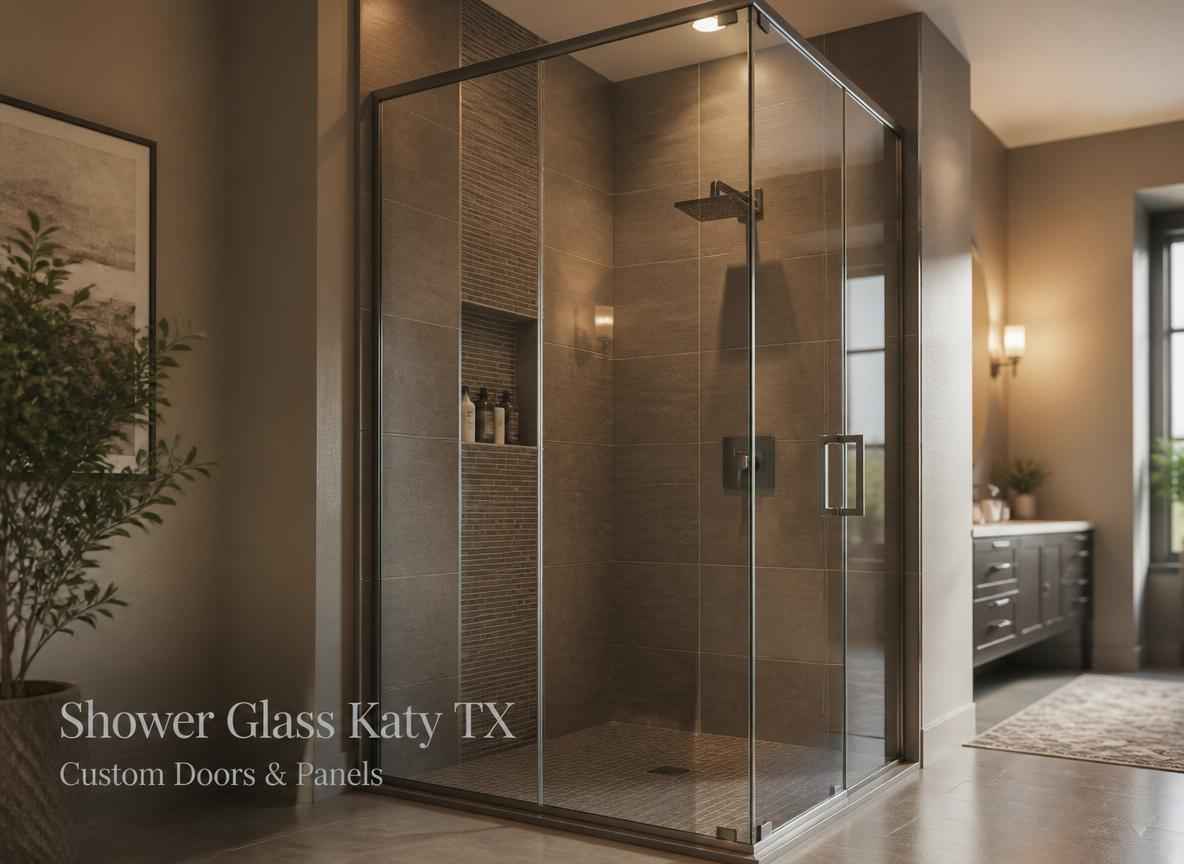
Frameless ($1,500–$4,000+ installed): No visible frame. Uses heavier tempered glass (3/8″ to 1/2″). The standard choice in mid-range and upper-tier remodels right now, and the option most commonly requested by Houston homeowners doing a full bathroom renovation.
Hardware finish is a real cost driver within the frameless category. Chrome is baseline. Brushed nickel adds 10–20%. Matte black and brushed gold — the two dominant premium finishes in 2026 according to Houzz bathroom design data — add 25–40% over chrome pricing.
4. Curbless (Zero-Entry) Design
A curbless shower — where the floor transitions flush from the bathroom to the shower with no threshold — is both the most accessible design option and one of the most expensive. The subfloor must be recessed to create the gradual slope toward the drain, which adds $1,500–$3,500 in labor over a standard shower pan installation (USA Cabinet Store, 2026). If you’re remodeling for aging-in-place purposes or simply want the clean, open look, it’s worth budgeting for properly. Don’t let a contractor skip the subfloor work to hit a lower price — you’ll pay for it in drainage problems later.
Home Depot vs. Local Contractor: What the Price Difference Actually Means
A lot of homeowners start their search wondering specifically about Home Depot walk-in shower installation costs — and it’s a fair question. Home Depot sells prefabricated shower kits and outsources installation through third-party contractor networks. Their installation pricing typically runs 5–15% below what you’d pay a custom contractor for a comparable prefab install, because their third-party installers compete for the work and the scope is tightly defined (Fixr, 2026).
What Home Depot’s model does well: speed, predictable pricing on standard-sized prefab kits, and accessibility for straightforward swaps in existing shower footprints.
What it doesn’t do well: custom design, complex tub-to-shower conversions that involve layout changes, regional knowledge about local building codes, and any project where your bathroom is non-standard. If your project is anything beyond a like-for-like prefab replacement, a licensed local contractor with bathroom-specific experience is the better call — not because of the price, but because of accountability, warranty structure, and the ability to adapt when the walls come off and something unexpected turns up.
Verify current Home Depot installation service pricing at homedepot.com before making comparisons, as rates and availability vary by region.
Cost to Replace a Tub With a Walk In Shower
Tub-to-shower conversions are the most requested bathroom upgrade in Houston suburbs heading into mid-2026 — particularly the elimination of the garden tub format that was standard in new construction from the late 1990s through the 2000s.
The cost to replace a tub with a walk-in shower ranges from $2,500 to $12,000+ depending on scope:
- Basic conversion (same footprint, prefab surround): $2,500–$5,500
- Mid-range conversion (tile, frameless glass, same drain position): $6,000–$10,000
- Full custom conversion (new layout, tile, curbless, frameless): $10,000–$15,000+
Tub removal itself costs $50–$300 for labor and disposal. That’s the easy part. The real variable is whether the existing drain position works for the new shower layout, and whether the surrounding walls have water damage that wasn’t visible before demo. In homes older than 15–20 years — which covers a significant portion of Richmond and Fort Bend County’s housing stock — it’s common to find failed waterproofing behind the original tub surround.
On resale: tub-to-shower conversions average roughly 60% ROI (Angi, 2026). The broader rule worth knowing is that homes with at least one tub sell better in markets with families with young children. If you have a second bathroom with a tub, converting the master garden tub to a walk-in shower is a straightforward upgrade. If it’s your only bathroom, think carefully before removing the tub entirely.
What Is a “One-Day Walk In Shower” and What Does It Cost?
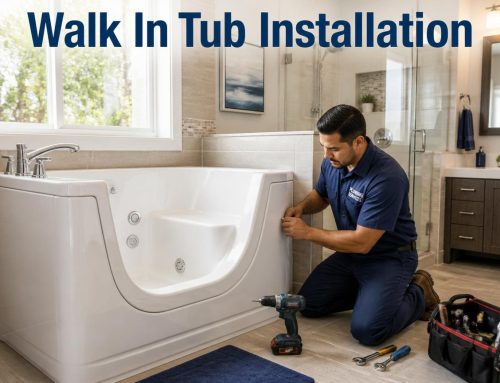
A one-day shower installation is exactly what it sounds like: a prefabricated acrylic or solid-surface shower system that a two-person crew installs in a single working day. These systems — offered by companies using products from manufacturers like Bath Fitter and Re-Bath — install directly over your existing shower or tub surround without full demolition.
One-day installations typically cost $3,000–$8,000 fully installed. They’re faster, less disruptive, and require no curing time for grout or tile adhesive. The trade-off: you’re limited to standard sizes and pre-designed configurations. You won’t get custom tile, frameless glass, or design flexibility. They’re also an overlay system, which means any water damage or mold behind the existing surround goes unaddressed.
For a homeowner who wants a functional, clean-looking update without a full remodel, a one-day system makes practical sense. For a homeowner who wants a genuinely custom bathroom or has reason to suspect underlying water damage — which is common in older Houston-area homes — a full remodel is the better long-term choice even if it takes longer and costs more upfront.
Honest Look: Where Walk In Shower Projects Go Over Budget
In a 2026 survey of 1,000 homeowners who recently completed a bathroom renovation, 38% said they paid more than expected for their walk-in shower installation (This Old House, 2026). The surprises rarely come from the tile or the fixtures. They come from behind the walls.
The most common budget overruns, in order:
- Water damage discovered during demo — Failed caulk and grout allow water to penetrate over years. Opening a wall to find rotted wood or mold is common in bathrooms older than 10–15 years. Remediation adds $500–$3,000+ depending on extent.
- Plumbing that doesn’t meet current code — Older homes sometimes have plumbing that works but won’t pass inspection under current standards. A permit-required project forces the issue.
- Electrical work for GFCI outlets or exhaust fans — Adding a heated floor, a steam unit, or updating an older bathroom’s electrical panel to code adds $500–$2,000.
- Custom drain relocation on a concrete slab — Already covered above, but it shows up here consistently because buyers don’t know to ask about it in advance.
The fix is straightforward: budget a 15–20% contingency above your contract price before work starts. If you don’t need it, it’s a relief. If you do, it keeps the project on track without renegotiating mid-demo.
How to Choose a Walk In Shower Contractor: What to Ask Before You Sign
Getting three quotes minimum is standard advice. What most articles skip is what to actually compare between those quotes, because a difference of 20–40% between contractors is common — and it rarely means what you think it means.
Before signing any contract, confirm these things in writing:
- Who performs the waterproofing, and what system is specified? (Ask for brand name — Schluter KERDI, Laticrete Hydro Ban, or equivalent. Vague answers here are a red flag.)
- Who pulls the permits? It should be the contractor, not you.
- Are plumbing and electrical subcontractors licensed by the State of Texas?
- Is the shower pan custom-built tile or a manufactured pan? Both are valid, but you should know what you’re getting.
- What is the payment schedule — and does final payment happen after your walkthrough approval?
- What does the labor warranty cover and for how long?
The payment schedule matters more than most homeowners realize. A contractor who asks for more than 30–35% upfront before work begins is a risk signal. Standard practice in Texas: 25–30% deposit, milestone payments tied to project stages, and a final payment only after you’ve confirmed everything is complete.
Your Dream Remodeling offers free in-home consultations, backs all labor with a one-year warranty, and handles permit coordination directly. Call 281-550-8900 or visit yourdreamremodeling.com to schedule your consultation.
Smart Ways to Reduce Walk In Shower Cost Without Cutting Corners
There’s a meaningful difference between saving money and cheapening a project. These strategies reduce real costs without compromising the result:
- Keep plumbing in place. This is worth repeating because it’s the most impactful single decision. It can save $1,500–$5,000 depending on your floor type.
- Choose porcelain over marble or stone. Porcelain performs just as well in a wet environment and costs roughly one-fifth of natural stone.
- Use a manufactured shower pan instead of a custom tile pan. A quality tile-ready pan costs $250–$500 and saves 4–8 hours of labor. Custom tile pans look great but add meaningful cost.
- Book your project in January or February. Contractor availability peaks during the slow season and labor rates run 10–20% lower than spring and summer (USA Cabinet Store, 2026).
- DIY demolition. Removing the old tub or shower surround yourself saves 10–15% of total project cost with no specialized skill required. Your contractor should be willing to start after demo is complete.
- Skip the rainfall head for now. A quality fixed showerhead and handheld combo costs $150–$300. A digital rainfall system adds $800–$3,000. Install the rough-in during the remodel and add the system later.
The Bottom Line on Walk In Shower Cost
A well-executed walk-in shower is one of the bathroom upgrades with the clearest daily impact and the most consistent appeal to future buyers. For most homeowners, the decision comes down to scope: a prefab install in an existing footprint at $4,000–$7,000, a mid-range tiled shower at $8,000–$14,000, or a full custom build starting at $14,000 and climbing from there.
The number that matters most isn’t the installed cost — it’s the total cost, including the contingency for what’s behind the walls. Budget 15–20% above your contract price, choose a contractor who waterproofs properly and pulls permits, and keep the plumbing where it is unless there’s a compelling reason to move it.
If you’re in the Greater Houston area and ready to get a real quote for a walk-in shower installation, Your Dream Remodeling offers free in-home consultations with no pressure and no obligation. Call 281-550-8900 or schedule online at yourdreamremodeling.com. The right shower starts with honest numbers — and that’s exactly what you’ll get.
The best remodeling decisions are made before the demo starts — not after.
FAQ SECTION
Q1: How much does a walk in shower cost on average in 2026? The national average cost to install a walk-in shower in 2026 is approximately $9,500, with most homeowners spending between $4,500 and $15,000. Prefabricated units run $3,500–$7,000 installed. Mid-range tiled showers with frameless glass typically cost $8,000–$14,000. Custom builds start around $14,000 and can reach $35,000 or more for luxury finishes. Labor accounts for 40–60% of the total, which is why regional labor rates affect your final number significantly.
Q2: What is the cost to replace a tub with a walk in shower? Replacing a tub with a walk-in shower typically costs $2,500–$12,000 depending on scope. A basic conversion keeping the existing footprint and using a prefab surround runs $2,500–$5,500. A mid-range tile build with frameless glass and no plumbing relocation costs $6,000–$10,000. Custom conversions involving layout changes, curbless design, or custom tile start at $10,000 and go higher. Tub removal itself costs $50–$300; the big variables are plumbing position and what’s found behind the walls during demo.
Q3: How much does Home Depot charge to install a walk in shower? Home Depot offers walk-in shower installation through third-party contractors who typically price 5–15% below custom contractors for comparable prefab units. Their model works well for standard-sized prefab replacements in existing shower footprints. For complex conversions, custom tile work, or non-standard bathrooms, a licensed local contractor is usually the better choice for accountability and design flexibility. Verify current Home Depot installation pricing at homedepot.com, as rates vary by region and project scope.
Q4: How long does a walk in shower installation take? A one-day prefab shower system installs in 6–8 hours. Standard prefab units in an existing alcove typically take 2–4 days. A mid-range tiled shower with frameless glass runs 1–2 weeks from demo to final tile seal. A full custom build — curbless design, custom tile layout, steam system — can take 3–5 weeks. Permit approval adds 5–10 business days in most Texas municipalities, and that timeline starts before demo begins.
Q5: Is a walk in shower worth the cost? For most homeowners, yes — especially as a replacement for an unused garden tub. Walk-in showers deliver measurable daily usability benefits and have consistent buyer appeal. Mid-range installations return approximately 60–70% of cost at resale (Angi, 2026). If your home has at least one other bathroom with a tub, converting a master garden tub to a walk-in shower is one of the clearest-ROI remodels you can do. If it’s your only bathroom and your household includes young children, keep a tub in the design.
Q6: What is the cheapest way to install a walk in shower? The most cost-effective approach is a prefabricated acrylic or fiberglass kit installed in your existing shower footprint without moving any plumbing. Kits from Home Depot and Lowe’s start around $700–$2,500 for the unit, with professional installation adding $2,000–$3,500. Total project cost in this scenario: $3,500–$6,000. You can reduce that further by doing your own demolition (saving 10–15% of total cost) and booking during winter months when contractor availability is highest and labor rates run lower.
Q7: What does a one-day walk in shower installation include? A one-day installation uses a prefabricated acrylic or solid-surface system installed over your existing shower or tub surround by a two-person crew. The process involves minimal demolition, surface preparation, fitting of the new surround panels, and installation of fixtures. Total cost runs $3,000–$8,000 installed. The advantage is speed and minimal disruption. The limitation is design flexibility — standard sizes and configurations only — and the fact that any existing water damage behind the surround is not addressed, since the overlay installs over it.